Scientists have found that flesh-eating bacteria are now appearing in regions that used to be too cold for them. This shows the bacteria are expanding their reach beyond the areas where they were commonly found before.
Key Facts
Flesh-eating bacteria were once mostly found in warm places.
Recently, these bacteria have been spotted in colder regions.
The bacteria cause serious infections by destroying tissue.
Scientists study this change to understand why the bacteria are spreading.
Changes in climate or environment may help the bacteria survive in new areas.
Tracking these bacteria is important to prevent and treat infections.
The expansion could affect health risks in places not previously exposed.
Read the Original
Want the full story? Tap a source to open the original
article.
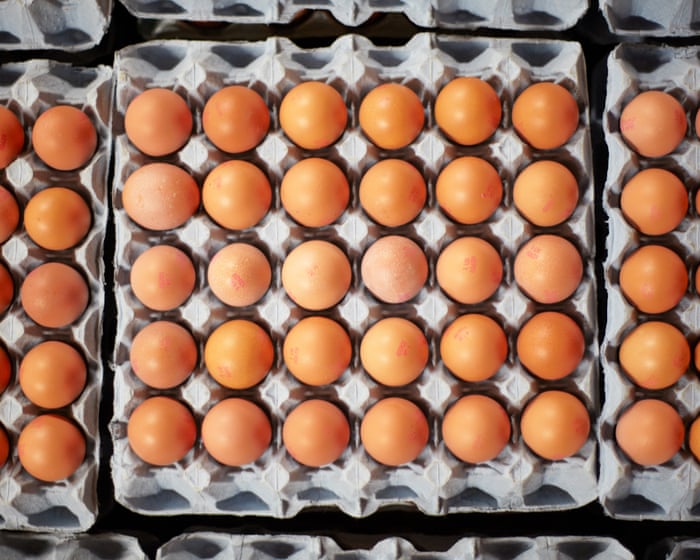
Salmonella infections in the UK are expected to increase until health authorities identify the source of the outbreak. The current cases, totaling 474 with one death, are likely linked to imported eggs used in cafes and restaurants, but the exact origin has not yet been confirmed.
Key Facts
There have been 474 confirmed salmonella cases and one death in the UK linked to this outbreak.
The UK imports about 1.6 billion eggs each year, with imports increasing by 60% since 2021.
Experts believe imported eggs served outside the home, such as in catering and restaurants, are connected to the outbreak.
These imported eggs are often cheaper than UK-produced eggs that carry the "lion mark" indicating hens vaccinated against salmonella.
Previous outbreaks linked to eggs came from European countries like Poland, but the current source is still unknown.
Tracing food sources in catering is harder than in retail stores due to less transparency in supply chains.
Public health experts expect the number of cases to rise until the source is identified, which may take weeks.
Avoiding runny eggs eaten outside the home unless they have the lion mark is one precaution individuals can take.
Read the Original
Want the full story? Tap a source to open the original
article.
Ukraine has strengthened its defense in the eastern Donetsk region as Russian forces push to capture the city of Sloviansk. Britain and France have agreed to supply Ukraine with advanced Storm Shadow cruise missiles to help Ukraine target Russian missile production and launch sites.
Key Facts
Ukraine reinforced defense units in the eastern city of Sloviansk on August 26.
Russia is close to Sloviansk, but estimates differ between 2.5 miles and 10 miles away.
Ukrainian forces still hold parts of the city of Kostiantynivka despite Russian infiltration efforts.
Ukraine is targeting Russian supply lines, storage, and airfields to disrupt Russian military operations.
Since August, Ukraine has destroyed several Russian fighter jets and drone storage facilities.
Ukraine has hit 242 Russian military supply ships and damaged 267 power stations in Crimea, causing widespread blackouts.
Long-range Ukrainian strikes have damaged Russian oil refineries and gas processing plants multiple times since June.
Ukraine’s focus is shifting to stopping the production and launch of Russian ballistic missiles rather than intercepting them mid-air.
Read the Original
Want the full story? Tap a source to open the original
article.
Israeli strikes killed at least five Palestinians in Gaza, including three members of one family. These attacks happened despite a ceasefire agreed in 2025, while many people in Gaza continue to face serious hunger and lack access to food.
Key Facts
Israeli drone strikes killed five Palestinians in different areas of Gaza.
Three people from the Abdeen family died north of Khan Younis.
Another Palestinian man was killed in Gaza City’s Sabra neighborhood by a drone missile.
A strike on a tent east of Gaza City killed one person and injured others.
An Israeli military attack in Jenin in the West Bank killed three Palestinians.
Israel claimed it killed Hamas and Palestinian Islamic Jihad commanders, but no proof was given.
Gaza faces severe food shortages with nearly half of people reporting hunger at least once in the past month.
Restrictions limit the number of trucks bringing goods into Gaza to about 217 daily, less than the 600 trucks promised in the ceasefire deal.
Read the Original
Want the full story? Tap a source to open the original
article.
Norway's King Harald V has died at the age of 89, ending his long reign as the country's monarch. Crown Prince Haakon is expected to become the new king, while the royal family faces attention regarding Crown Princess Mette-Marit's past and her son's criminal conviction.
Key Facts
King Harald V was Norway's longest-serving monarch.
He died at the age of 89.
Crown Prince Haakon will succeed him as king.
The royal family is under scrutiny due to Crown Princess Mette-Marit's alleged past links to Jeffrey Epstein.
Crown Princess Mette-Marit's son was convicted of rape.
Tributes for King Harald have come from across Europe.
The news highlights Norway’s transition to a new king.
Read the Original
Want the full story? Tap a source to open the original
article.
The leader of India’s Hindu nationalist group, the RSS, plans to speak at an event in New York. Some people have asked the U.S. government to cancel his visa, but the event is still set to happen. The RSS wants to increase its influence among Indians living in the United States.
Key Facts
The Hindu nationalist group RSS is based in India.
The RSS leader is scheduled to speak in New York City.
There have been requests to revoke the leader’s U.S. visa.
The U.S. has not canceled the visa, allowing the event to proceed.
The RSS aims to grow its influence among the Indian community in the U.S.
The RSS has been described as a controversial group because of its views and activities.
The event’s timing reflects the RSS’s interest in expanding its reach internationally.
Read the Original
Want the full story? Tap a source to open the original
article.
Tensions have risen in Ceuta, a Spanish city in North Africa, after tens of thousands of migrants entered the city from Morocco at the end of July. Violent clashes have occurred between local residents and migrants, with protests, attacks on migrant camps, and arrests reported. The Spanish government has taken control of the situation and plans to change immigration laws.
Key Facts
Around 72,000 migrants crossed from Morocco into Ceuta on July 30-31, with at least 100 people dying during the crossing.
Most migrants returned to Morocco quickly, but several thousand, including many children, remain in Ceuta, often sleeping outdoors.
Local residents have expressed feeling unsafe and worry about the pressure on public services.
Recent protests turned violent, including preventing aid workers from providing food and water and setting fire to migrant camps.
Police arrested 12 migrants accused of attacking a military vehicle and reported incidents of vigilante groups targeting migrants.
The Ceuta mayor said the city needs to return to normal and called the situation a matter of Spanish dignity.
The Spanish government blamed political parties for increasing tensions and has centralized control over managing the crisis.
The government wants to move migrants to public buildings for better processing, but locals oppose this due to fear of migrants living near homes.
Read the Original
Want the full story? Tap a source to open the original
article.
Reports say the U.S. government under President Donald Trump is negotiating to gain a large stake in Venezuela’s oil fields. This has caused strong criticism from Venezuela’s opposition groups, who call the deal unfair and illegal.
Key Facts
Venezuela has the world’s largest crude oil reserves, about 303 billion barrels.
The Trump administration reportedly wants a long-term share in over a dozen Venezuelan oilfields.
Talks involve control of oilfields in the Orinoco Belt and Lake Maracaibo regions.
Some reports mention a possible 100-year lease agreement on these fields.
Venezuela’s opposition leaders say the deal is unconstitutional and harmful to the country.
Key figures from Venezuela’s current government remain in power despite U.S. intervention.
Critics compare the situation to early 20th-century deals where foreign companies controlled Middle Eastern oil.
The deal is seen by some as aiming to expand U.S. influence through oil control.
Read the Original
Want the full story? Tap a source to open the original
article.
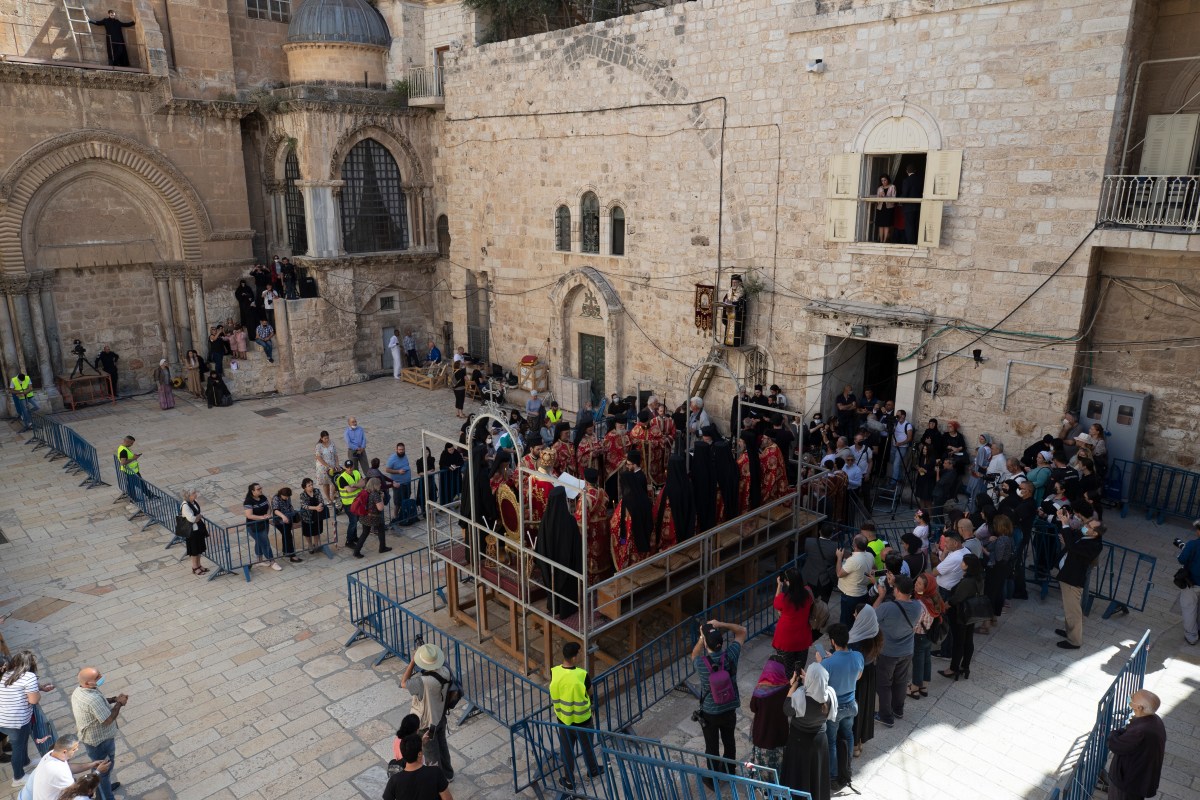
Archaeologists uncovered an ancient burial site and old farming areas beneath Jerusalem’s Church of the Holy Sepulchre. Their findings match descriptions in the Bible and show the site was important to early Christians by the fourth century.
Key Facts
The dig started in 2022 and focused on the church’s floor restoration.
Researchers found a quarry later used for burials and planting vines and olive trees.
The site matches the Bible’s description of a garden with a new tomb near Jesus’ crucifixion.
Studies showed remains of cereals, figs, olives, and other plants grown there long ago.
Roman emperor Hadrian blocked access to the burial site in the second century.
Emperor Constantine removed earlier constructions in the fourth century and built a basilica around the chamber.
The chapel became a Christian shrine by Constantine’s time, showing early worship there.
These discoveries support the location described in the Gospels but don’t prove Jesus was buried there.
Read the Original
Want the full story? Tap a source to open the original
article.
A Dutch health institute has issued a warning about dangerous ecstasy pills shaped like President Donald Trump’s head. These pills contain a chemical called PMMA, which is more harmful than regular ecstasy and can cause serious health problems or death.
Key Facts
The Trimbos Institute in the Netherlands issued the warning on potentially deadly Trump-shaped ecstasy pills.
The pills have an image of President Trump’s head on one side and “NL” and “Trump” stamped on the other.
These pills contain PMMA, a chemical similar to MDMA but slower acting, which can lead users to take too much and overdose.
Using PMMA pills can cause the body to overheat, which can be fatal.
No serious illnesses or deaths linked to these pills have been reported so far.
Ecstasy use is illegal in the Netherlands but still common, especially in clubs and festivals, with about 550,000 users yearly.
Similar Trump-shaped ecstasy pills appeared before, including a large seizure by German police in 2017.
The institute strongly advises people not to take these pills.
Read the Original
Want the full story? Tap a source to open the original
article.
Heavy floods in Nepal have forced around 500 people to take shelter at a relief camp set up in a monastery in northern Kathmandu. Rescue teams are still searching for nearly 1,000 missing people as families cope with the loss of homes and loved ones.
Key Facts
About 500 people are staying at a monastery turned into a relief camp in northern Kathmandu.
The area has experienced devastating floods causing widespread damage.
Many families have lost their homes and family members due to the floods.
Rescue teams are actively searching for about 1,000 missing people.
Search operations are ongoing through the night to find survivors.
The disaster has affected both Nepal and nearby Tibet.
Relief efforts include support from the Red Cross and military teams.
Entire villages and communities have been washed away by the floodwaters.
Read the Original
Want the full story? Tap a source to open the original
article.
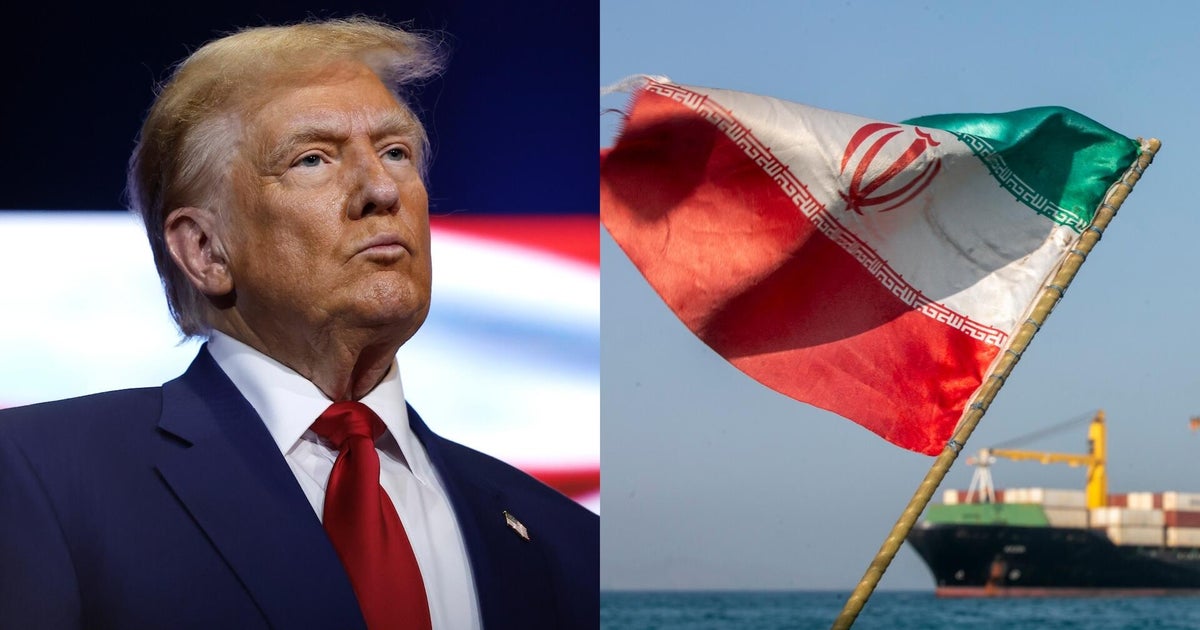
The article discusses the challenges the U.S. faces in its conflict with Iran. Despite some military successes in an operation called Epic Fury, the U.S. has not achieved its broader political or strategic goals.
Key Facts
The U.S. conducted Operation Epic Fury against Iran.
The operation achieved strong tactical and operational results.
Tactical success means winning in battles or missions on the ground.
Strategic or political victory means achieving long-term goals or influence.
So far, the U.S. has not reached its wider political aims in the conflict.
The article explores reasons why military actions have not led to overall success.
CBS News contributor Aaron MacLean provides the analysis.
Read the Original
Want the full story? Tap a source to open the original
article.
Police in Nairobi used tear gas to stop protests by small traders upset about higher import taxes. The new taxes raise the minimum cost used to calculate duties on imported goods, which traders say will increase their business expenses.
Key Facts
Kenyan police fired tear gas at small-scale traders protesting import duty hikes in Nairobi.
The protests caused many businesses to close in the city center.
The new import duty takes effect recently and raises the minimum customs value for a 40-foot container from 2.5 million to 3.2 million Kenyan shillings (about $19,320 to $24,700).
The Kenya Revenue Authority said the change aims to reduce under-declaration and undervaluation of imports, which harms honest businesses and local manufacturers.
Traders say the higher minimum value will raise costs and hurt small businesses relying on shared shipments to save money.
Protesters marched toward parliament to express their concerns.
Many Kenyans are frustrated with rising living costs and distrust the government due to perceived worsening corruption.
The minimum value is a reference point; importers with goods worth more must declare their true value and pay duties accordingly.
Read the Original
Want the full story? Tap a source to open the original
article.
Greenland will create a Truth and Reconciliation Commission to investigate a forced contraception program run by Danish authorities from the 1960s to 1990. Thousands of Inuit women and girls were given contraceptives without their consent, raising concerns about human rights violations. Experts could not agree if the actions were genocide, but Denmark has apologized and agreed to provide compensation.
Key Facts
Greenland’s government announced a commission to investigate forced contraception by Denmark between the 1960s and 1990.
Over 4,000 Greenlandic Indigenous women and girls, some as young as 12, were given contraceptives without consent.
The contraception methods mainly involved intrauterine devices (IUDs) and injections.
Experts reviewing the case gave mixed opinions; one report denied genocide, another suggested it might have occurred.
Both reports agreed human rights and Indigenous rights may have been violated.
Greenland’s Prime Minister said the focus is on starting a healing process through reconciliation.
Denmark’s Prime Minister apologized to victims last year and supports working with Greenland on this issue.
The Danish parliament approved compensation claims for affected women.
Read the Original
Want the full story? Tap a source to open the original
article.
Seven people have been charged with vandalism at President Donald Trump's Turnberry golf resort in Scotland during a protest. The charges include a claim that the crime has a "terrorist connection" under UK law, which could lead to longer prison sentences.
Key Facts
Seven individuals were charged with criminal damage after a protest at Turnberry golf resort on March 8, 2025.
The charges say the offence was aggravated due to a "terrorist connection" under the Counter-Terrorism Act.
The group is accused of damaging turf, spraying weedkiller, flooding the course, and leaving graffiti with political messages like "Free Gaza" and slogans against Trump.
One defendant, Kieran Robson, allegedly committed the offence while out on bail from a previous charge.
The hearing originally set for next Monday in Glasgow’s High Court was postponed until October.
The protest group Palestine Action was earlier banned as a terrorist organization in the UK and US due to their promotion of unlawful violence.
Four Palestine Action members recently received lengthy prison sentences for damaging a factory run by an Israeli defense company, with the court also finding a terrorist connection.
Human rights groups have criticized these terrorism-related charges and sentences as too harsh.
Read the Original
Want the full story? Tap a source to open the original
article.
Israeli settlements in the West Bank grow not only because of political beliefs but also due to financial benefits. There are two main groups of settlers whose different motivations help increase the number of settlements considered illegal under international law.
Key Facts
Israeli settlements are located in the West Bank, a territory occupied by Israel.
The growth of these settlements is influenced by both ideology (beliefs) and economic reasons.
Two main types of Israeli settlers contribute to this expansion.
The settlements are considered illegal under international law.
Economic incentives attract some settlers, not just political or religious beliefs.
The article highlights the complexity behind why settlers move to these areas.
Read the Original
Want the full story? Tap a source to open the original
article.
Severe flash floods struck the mountainous border between Nepal and China, causing widespread destruction and displacing many people. Aid efforts are underway, with over 17,000 children needing urgent help and thousands of people missing or affected.
Key Facts
Flash floods devastated areas near the Nepal-China border, especially in Nuwakot district.
At least 17,000 children urgently need humanitarian aid according to the UN agency for children.
About 18 schools were destroyed and 20 others damaged by the floods.
The International Red Cross says around 93,000 people have been affected and require assistance.
Nearly 2,000 people are reported missing after the floods.
Rescue teams, including 14,829 security personnel and drones, are searching for survivors.
Rescued people are being brought to a military camp turned into a relief center in Nuwakot.
Survivors face challenges such as lack of food, shelter, and basic supplies.
Read the Original
Want the full story? Tap a source to open the original
article.
Four young men pleaded guilty to setting fire to four ambulances owned by a Jewish charity in north London in March. The attack caused explosions and damaged nearby buildings, and authorities are investigating possible links to terrorism and anti-Jewish motives.
Key Facts
Four men aged 18 to 20 admitted to destroying ambulances in an arson attack on March 23.
The ambulances belonged to Hatzola, a Jewish volunteer charity in Golders Green, London.
Each ambulance was worth about 250,000 pounds (around $340,000).
The fire caused gas canisters inside the ambulances to explode, damaging nearby homes and a synagogue.
Prosecutors said the attack may have a terrorist connection, though no direct Iranian involvement was confirmed in court.
The attack came after U.S. and Israeli military actions against Iran, during a period of rising antisemitic incidents.
A fifth person pleaded not guilty to helping dispose of the car used in the attack; his trial is set for January 2027.
The Iranian Embassy in the U.K. denied any involvement in violent acts in Britain.
Read the Original
Want the full story? Tap a source to open the original
article.
The U.S. Treasury Department has proposed a new rule to cut off the Emirati branches of Egypt’s Banque Misr from the U.S. financial system. This move is part of a broader effort led by Treasury Secretary Scott Bessent to pressure countries to stop doing business with Iran’s government.
Key Facts
The U.S. targets Banque Misr’s branches in the United Arab Emirates (UAE) for supporting Iran’s leadership financially.
The proposed rule would block these branches from using the U.S. financial system after a 30-day public comment period.
The U.S. has not fully sanctioned the Egyptian bank to avoid upsetting major trade partners like China and India.
Treasury Secretary Scott Bessent announced a campaign to isolate Iran economically by encouraging other countries to cut ties.
Bessent emphasized wanting countries to shift away from Iran without disrupting the global financial system.
The Treasury Department also sanctioned a manager of Iran’s Bank Melli in Dubai and a Hong Kong firm accused of helping Iran launder money.
Bessent plans to discuss Iran’s economic isolation during the upcoming Group of 20 finance ministers meetings.
This action comes as the U.S.-led campaign against Iran reaches six months.
Read the Original
Want the full story? Tap a source to open the original
article.
Representatives from nearly 200 countries met in Mongolia to discuss how to protect land as climate change worsens droughts and damages soil. They postponed a decision on creating a global drought agreement until their next meeting in Egypt in two years. Experts highlighted the importance of healthy soil and water management to reduce drought impacts and support food production.
Key Facts
About 40% of the world’s land is damaged or degraded, making it less able to hold water or grow food.
Droughts are becoming more frequent, stronger, and lasting longer due to climate change.
Healthy soil helps absorb and store water, which supports crops and ecosystems during dry times.
Degraded soil loses water quickly and lowers land productivity, making drought effects worse.
The conference did not decide on a legally binding global drought agreement and postponed the issue until the next talk in Egypt in two years.
Water and land management are closely connected and both are essential for farming and food security.
The world will need to produce 50% more food by 2050 due to population growth.
Clearing natural areas to increase food production can harm soil and release carbon, making land degradation worse.
Read the Original
Want the full story? Tap a source to open the original
article.