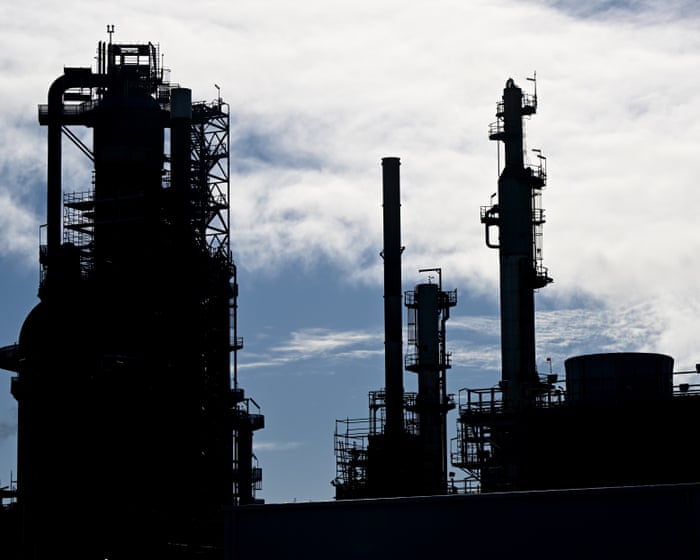
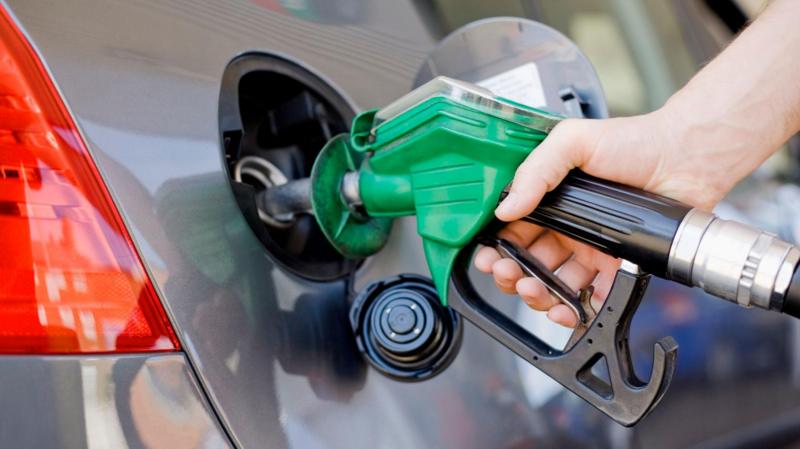
Australia may build its first new oil refinery in 60 years in Western Australia to reduce reliance on imported fuel. The federal and state governments will spend $4 million on a study to see if this refinery can be built, responding to higher oil prices caused by the ongoing Middle East conflict.
Key Facts
Australia currently imports about 90% of its liquid fuels due to refinery closures over the last 25 years.
The Middle East war has caused oil prices to rise, increasing inflation risks worldwide and in Australia.
The federal government and Western Australia will jointly fund a $4 million study to explore building a new refinery.
Only two large oil refineries now operate in Australia: one in Brisbane and one in Geelong.
Building a new refinery would cost billions and likely need ongoing government support to compete.
The proposed refinery project would be led by Perdaman, a multinational company that may get government loans.
The government has a $10.7 billion fuel security plan, including funding for fuel reserves and studies to increase refining capacity.
Some environmental groups oppose expanding oil refineries, wanting a shift away from fossil fuels instead.
Read the Original
Want the full story? Tap a source to open the original
article.
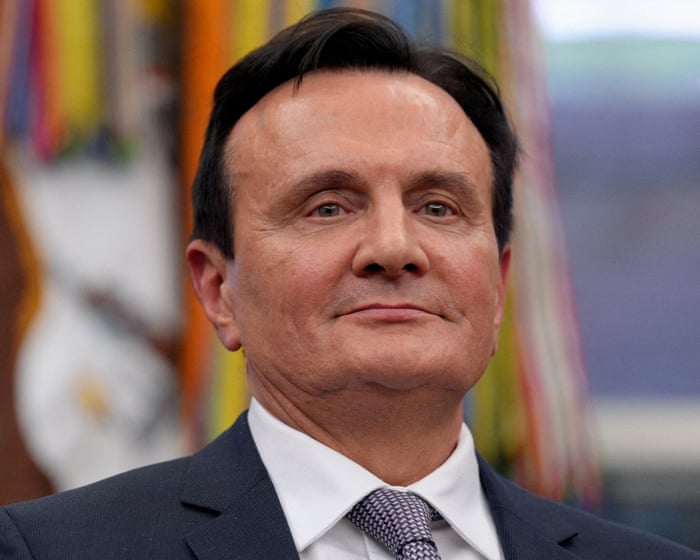
AstraZeneca’s CEO, Pascal Soriot, said the company must work as quickly as Chinese firms to stay competitive in the drug industry. He highlighted the growth of China’s pharmaceutical sector and said AstraZeneca is confident it will meet its sales goals by 2030 despite some drug trial setbacks.
Key Facts
AstraZeneca plans to reach $80 billion in annual sales by 2030, up from $59 billion in 2025.
The company reported a 6% revenue increase in the first half of 2026 compared to the previous year.
CEO Pascal Soriot said Western drugmakers must increase innovation speed to compete with Chinese companies.
Chinese pharmaceutical firms are heavily investing in new technologies like antibody drug conjugates and cell therapy.
AstraZeneca experienced a recent failure in a major heart disease drug trial but continues to have a strong pipeline.
Soriot believes artificial intelligence (AI) will help speed up drug development and increase productivity, rather than reduce jobs.
The company plans to work with the new UK government leader, Andy Burnham, to clarify a US-UK drug deal linked to higher NHS medicine costs.
This deal was initially made under President Donald Trump and could raise drug prices in the UK significantly.
Read the Original
Want the full story? Tap a source to open the original
article.
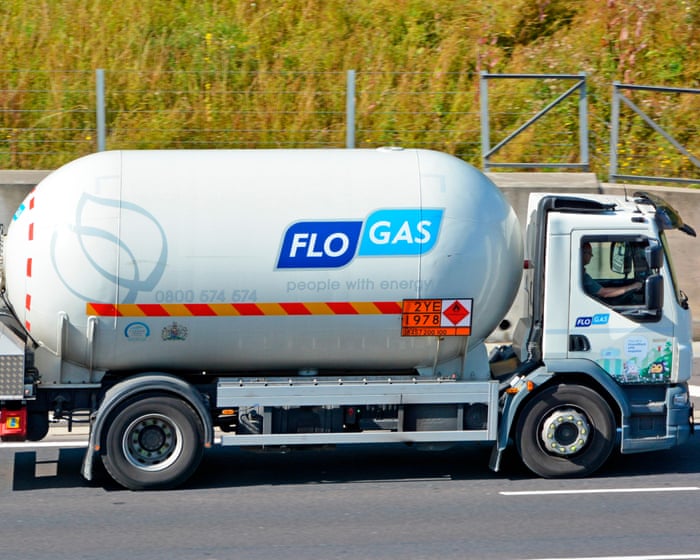
DCC, a major energy company listed on the London Stock Exchange, has agreed to a £5.75 billion takeover offer from two US private equity firms, KKR and Energy Capital Partners. The company’s board supports the deal, but the founder and some large shareholders oppose it, claiming the offer undervalues the company.
Key Facts
DCC is one of the largest energy companies listed on the London Stock Exchange.
US private equity companies KKR and Energy Capital Partners plan to buy DCC for about £5.75 billion.
The DCC board recommends the takeover despite objections from its founder, Jim Flavin, and significant shareholders.
Jim Flavin believes the offer is too low given the company’s plan to increase profits by 2030.
The takeover price is £65.25 per share in cash, with an extra £1.25 per share if a related sale meets a price target.
The offer is 36% higher than DCC’s average share price before the takeover talks were public but still faces shareholder opposition.
Large shareholders like Aviva and Fidelity consider the price inadequate and plan to vote against the deal.
DCC’s board says the offer provides a guaranteed cash gain for shareholders immediately.
Read the Original
Want the full story? Tap a source to open the original
article.
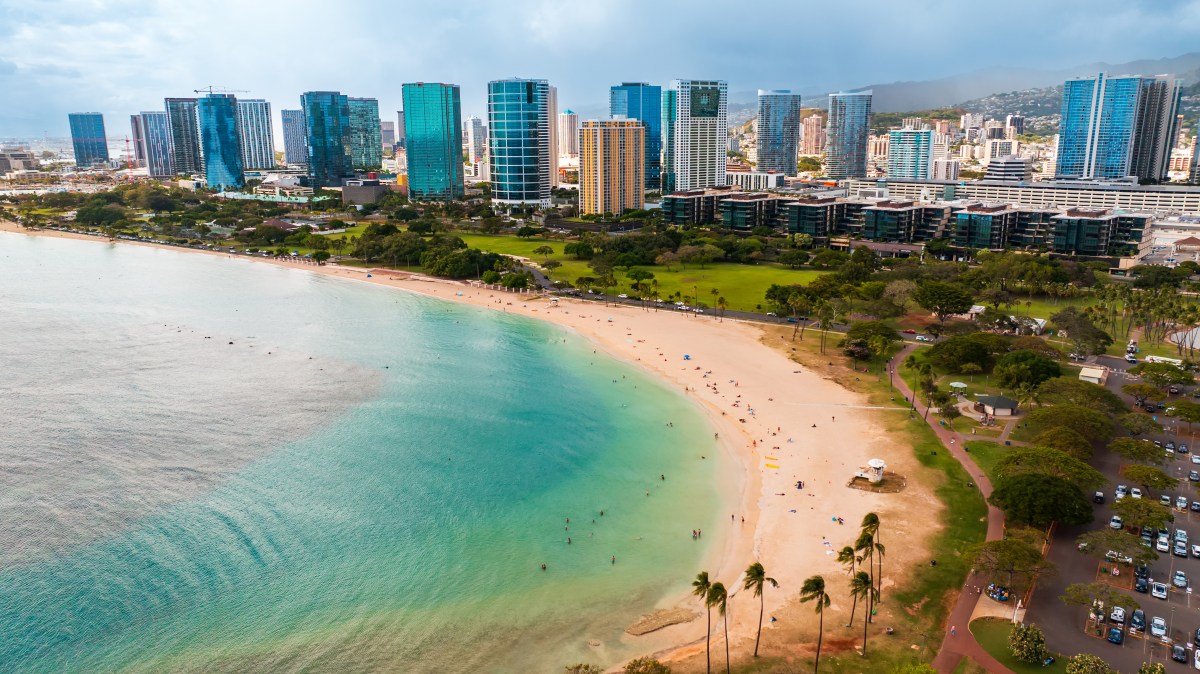
Hawaii faces a serious housing affordability problem that is part of a larger economic issue. Many Native Hawaiians are leaving the state because jobs and opportunities are limited, not just because homes are expensive. A local entrepreneur believes that creating new industries, like using artificial intelligence (AI), can help build a stronger economy and keep people in the community.
Key Facts
The median home price in the U.S. is about $440,600, making housing hard to afford for many.
Hawaii has one of the highest costs of living in the country, with an index of 185 (where 100 is the national average).
More than half of Native Hawaiians now live outside Hawaii, mainly due to high living costs and lack of job opportunities.
People are leaving some areas because economic chances have moved elsewhere, not just because housing is too expensive.
AI jobs and investments are mostly growing in a few big cities, deepening economic gaps between regions.
Lauren Shim, CEO of Aloha AI, sees the housing crisis as a symptom of a wider economic problem where good jobs are scarce.
Shim founded Aloha AI to build new industries in Hawaii, aiming to create more economic opportunities locally using AI.
The company hopes AI can help diversify Hawaii’s economy beyond tourism and create a stable future for residents.
Read the Original
Want the full story? Tap a source to open the original
article.
The price of oil dropped by more than 9% on Monday after the US and Iran stopped attacks for a few days to allow talks to continue. This pause has eased fears about disruption to important shipping routes and global energy supplies, leading to lower oil prices.
Key Facts
Brent crude oil price fell below $88 per barrel, down from over $100 last week.
The US ambassador to the UN confirmed a pause in attacks on Iran for two nights to support negotiations.
Iran also announced it stopped retaliatory attacks in the region during this pause.
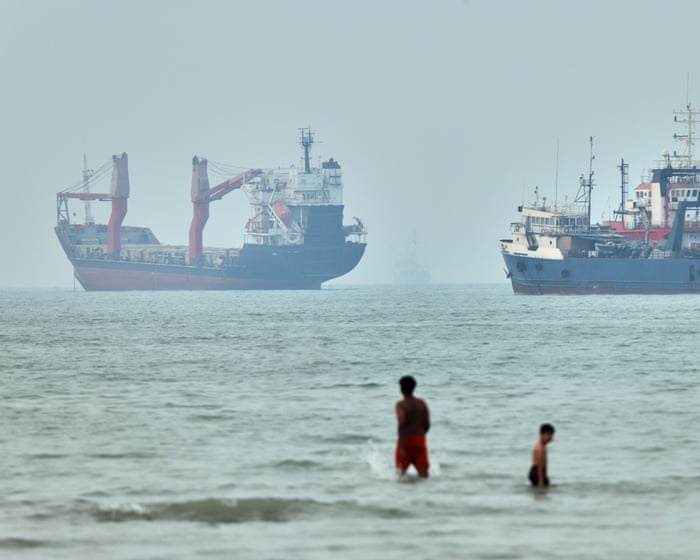
The conflict caused the near closure of the Strait of Hormuz, a key waterway for 20% of the world’s oil and gas shipments.
An earlier June deal between the US and Iran had reopened the Strait, dropping oil prices to around $70 per barrel.
The ceasefire broke down earlier this month, causing oil prices to climb again.
Additional attacks by Yemeni Houthis on oil tankers caused concern over other export routes.
Higher oil prices have increased the cost of fuel and other goods, contributing to higher inflation worldwide.
Read the Original
Want the full story? Tap a source to open the original
article.
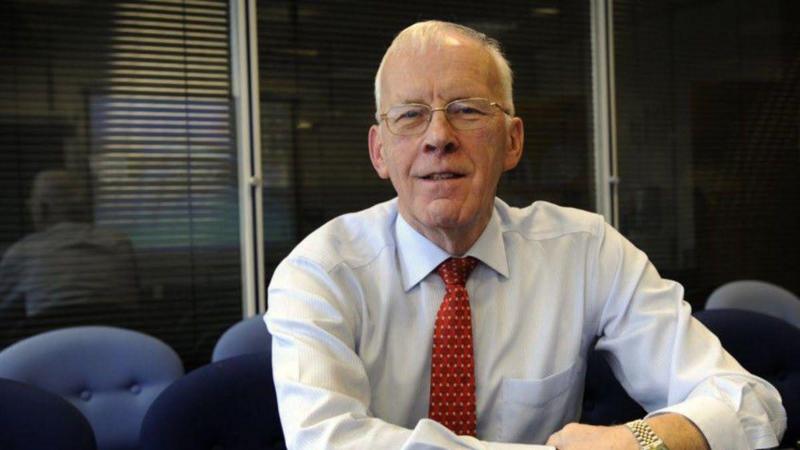
Sir Ian Wood, a well-known Scottish businessman and charity supporter, has died at age 84. He built his family's small fishing boat repair business into a large engineering company working in the oil and gas industry worldwide and later focused on charitable projects through The Wood Foundation.
Key Facts
Sir Ian Wood was based in Aberdeen, Scotland.
He grew his family business into a global engineering firm in oil and gas called the Wood Group.
The Wood Group was valued at over £5 billion and worked worldwide before being sold to a Dubai company in 2025.
Sir Ian retired as chief executive in 2006 and as chairman in 2012.
He started The Wood Foundation in 2007 to help reduce social and economic problems in Scotland and sub-Saharan Africa.
He was knighted in 1994 for his contributions to the oil and gas industry and joined Scotland’s highest order of chivalry later.
His family described him as kind, generous, determined, and dedicated to his family.
Sir Ian’s personal fortune was estimated at around £1.8 billion.
Read the Original
Want the full story? Tap a source to open the original
article.
Global stock markets mostly rose while oil prices dropped nearly 7% on Monday as tensions eased between the U.S. and Iran over a possible ceasefire. Chinese chipmaker CXMT’s shares surged over 460% on their Shanghai stock market debut, making the company China’s most valuable listed firm.
Key Facts
Oil prices fell about 7%, with Brent crude dropping to $85.49 a barrel and U.S. crude to $83.06.
The price drop followed a pause in attacks between the U.S. and Iran amid talks about stopping fighting.
World stock markets showed gains: Germany’s DAX up 1.6%, Paris’s CAC 40 up 0.8%, and Britain’s FTSE 100 up 0.5%.
Asian markets rose too, including Japan’s Nikkei 225 (+0.5%), South Korea’s Kospi (+1%), and Hong Kong’s Hang Seng (+1%).
CXMT, a Chinese memory chip company, debuted strongly on Shanghai’s tech board with shares rising 466%.
This rise made CXMT China’s most valuable publicly traded company, valued at around 3.3 trillion yuan ($490 billion).
U.S. futures were up in early trading, with the S&P 500 and Dow Jones futures both increasing by about 1%.
The Nasdaq slipped 0.6% due to losses in large tech companies like Micron Technology and Broadcom.
Read the Original
Want the full story? Tap a source to open the original
article.
Traffic will begin on Monday over the new Gordie Howe International Bridge connecting Detroit, Michigan, and Windsor, Ontario. The $6.4 billion bridge is expected to improve trade, jobs, and travel between Canada and the United States.
Key Facts
The Gordie Howe International Bridge crosses the Detroit River between Detroit and Windsor, Ontario.
Canada held a ribbon-cutting event to celebrate the bridge's completion.
U.S. and Michigan officials were not invited to the celebration due to recent U.S. tariffs on Canadian goods announced by President Donald Trump.
The bridge is named after Gordie Howe, a famous Canadian hockey player for Detroit’s NHL team.
Detroit is the busiest truck crossing point between the U.S. and Canada, handling over 70% of Canadian exports to the U.S.
The new bridge has six lanes, is 1.5 miles long, and rises 151 feet above the river.
Pedestrians and bicyclists with proper ID will be allowed to cross for free soon.
Canada paid for the bridge and will share toll revenues with the U.S. government for 15 years; Michigan will get a share after Canada recovers its costs.
Construction started in 2018 and was delayed partly due to the COVID-19 pandemic.
Read the Original
Want the full story? Tap a source to open the original
article.
A high-quality copy of the movie The Odyssey, directed by Christopher Nolan, was leaked on the social media platform X and viewed by about 2.1 million people before the post was removed. Universal Studios, the film’s studio, said they acted quickly to take down the video and protect their rights.
Key Facts
The leaked video appeared on X and showed the full movie in high definition.
The post gained 2.1 million views in two and a half hours before the account was suspended.
A lower-quality version also appeared on X and was taken down after 50,000 views.
The Odyssey was shot entirely on 70mm IMAX film, designed for very large screens.
Universal Studios responded by starting takedown actions against the unauthorized posting.
The movie has earned $640 million worldwide so far, with $215 million in its second weekend.
Experts think the leak is unlikely to hurt the movie’s earnings much.
Christopher Nolan prefers viewers watch The Odyssey in theaters on the biggest screens possible.
Read the Original
Want the full story? Tap a source to open the original
article.
Oil prices fell about 6% after the United States paused attacks on Iran, reducing fears of a conflict that could limit global oil supply. The pause in fighting followed 13 days of strikes and helped bring Brent crude prices below $91 a barrel.
Key Facts
Brent crude oil price dropped below $91 per barrel, down 6%.
The US and Iran paused hostilities after nearly two weeks of fighting.
Iran stopped retaliatory attacks after two nights without US missile strikes.
The conflict began after attacks by Iran-aligned Houthis on Saudi oil tankers.
Iran closed the Strait of Hormuz, a key route for Gulf oil exports, increasing market sensitivity.
Energy company shares, including BP and Shell, fell due to lower oil prices.
US military officials advised President Trump that bombing Iran had limited effects.
Rising oil prices raised concerns about inflation and possible interest rate hikes by the Federal Reserve.
Read the Original
Want the full story? Tap a source to open the original
article.
Oil prices dropped by over 5% as the US paused strikes on Iran, creating a chance for diplomacy. Meanwhile, DCC Energy agreed to a £5.75 billion takeover, and Shein reported a $99 million loss for its first quarter due to new US tariffs on small packages.
Key Facts
Oil prices fell 5.3% to $91.68 per barrel after the US paused military strikes on Iran.
Iran paused retaliatory attacks on US allies, but no formal ceasefire was declared.
DCC Energy agreed to a £5.75 billion takeover by KKR and Energy Capital Partners.
DCC Energy shareholders will receive £65.25 per share in cash, a £1.47 final dividend, and potential extra payments if a unit sells for $800 million.
Shein reported a $99 million loss for Q1 2026 after losing a US tariff exemption on small packages.
Shein plans to raise prices in the US to offset increased costs from new tariffs.
The EU introduced a €3 fee on low-value e-commerce imports to protect local businesses from competition.
Shein’s valuation has dropped from a potential $100 billion in 2022 to a current aim of $40-$50 billion ahead of its Hong Kong stock market listing.
Read the Original
Want the full story? Tap a source to open the original
article.
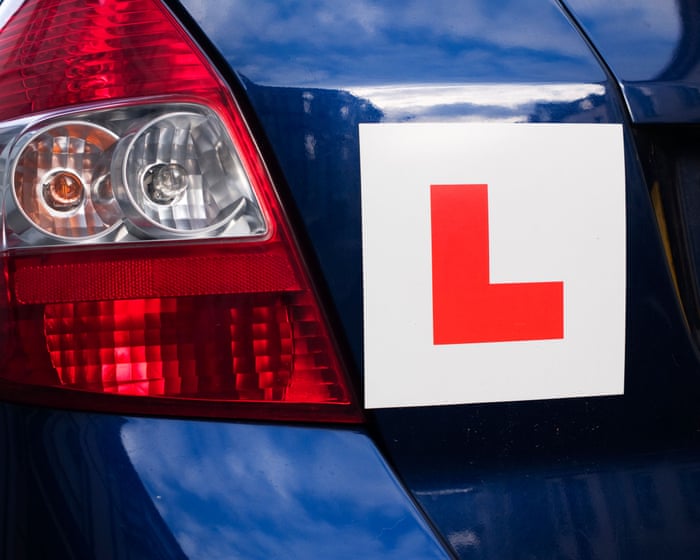
A self-employed driving instructor’s leased Nissan car was out of use for over three months due to a missing spare part, threatening his income. Nissan delayed repairs and reimbursement for a hired replacement vehicle, eventually agreeing to compensation after prolonged complaints.
Key Facts
The driving instructor’s dual-control Nissan car was off the road for over three months waiting for a spare part.
He had to rent another dual-control car costing over £2,500 and borrow money to cover these expenses.
Meanwhile, he kept paying about £1,500 for the original car’s finance despite not using it.
Nissan delayed repair dates multiple times and did not communicate clearly about timescales or reimbursements.
After intervention, Nissan agreed to reimburse hire car costs and offered compensation, though the amount was undisclosed.
Nissan initially offered free servicing for two years as compensation, which did not meet the instructor’s needs.
The repair was finally completed just before the hire car contract ended, avoiding further immediate hire costs.
Nissan acknowledged the customer experience was below their standards and apologized.
Read the Original
Want the full story? Tap a source to open the original
article.
The UK government has introduced a temporary 15% VAT cut on family attraction tickets, children's meals, and cinema tickets until September to help families save money during the summer holidays. Some families and businesses have noted small savings, while others say the impact is limited and other costs, like parking, still make outings expensive.
Key Facts
The government’s Great British Summer Savings scheme includes a 15% VAT reduction on children’s meals, family attraction tickets, and cinema tickets until 1 September.
The scheme also offers free bus travel for children aged 5 to 15 in England.
Local authority-run attractions are exempt from VAT, so they do not benefit from the VAT cut.
Families report that holiday costs are still high, sometimes exceeding £100 for outings, and can add up quickly with multiple children.
Some businesses have passed the savings to customers by lowering prices slightly, such as kids’ lunchbox deals.
Parents say small discounts are helpful but changes to parking fees could also encourage more visits to town centers and attractions.
Financial experts believe the temporary VAT reduction can ease some financial pressure during holidays when typical costs can reach around £191 per child per week.
Visitor attractions see the summer holidays as their busiest time, and any support to boost visitor numbers is appreciated.
Read the Original
Want the full story? Tap a source to open the original
article.
Girlguiding, a UK organization for girls aged 4 to 18, has redesigned its uniform for the first time in over 30 years to focus on comfort, self-expression, and confidence. The new range includes more flexible rules and modern features, created with input from thousands of girls and women.
Key Facts
The uniform redesign was led by Hemingway Design and took two years to complete.
55,000 girls and women contributed ideas for the new designs.
Girls now only need to wear a top for meetings and activities to be considered “in uniform.”
The new line includes 30 clothing items and 15 accessories that can be customized for events.
A 2023 survey of 2,000 UK girls showed most feel more confident and comfortable when choosing how to dress.
Old uniforms can be recycled into new accessories at free workshops.
Girlguiding has about 300,000 members and 80,000 volunteers.
The organization’s membership rules will change in September 2024 to restrict membership to girls and young women, excluding transgender girls from continuing membership.
Read the Original
Want the full story? Tap a source to open the original
article.
Reform UK's proposal to charge employers an annual fee for hiring workers without a UK passport could increase costs for important services like the NHS, social care, schools, and universities. Experts warn this plan might cause staff shortages and financial problems in these sectors.
Key Facts
Reform UK wants employers to pay a "migrant worker surcharge" for each staff member without a UK passport, including EU nationals with settled status, except Irish passport holders.
The charge would be a higher rate of employer national insurance plus a separate annual fee.
The plan applies across the UK and does not exclude sectors with staff shortages like healthcare and education.
About 20% of NHS England staff are not UK nationals, so the policy could raise NHS costs and affect patient care.
Overseas teachers make up nearly 6% of teachers in England, especially in subjects with few UK candidates like languages and physics.
Universities spend up to 60% of their budgets on staff salaries and could face financial trouble from extra fees.
Experts say such costs could lead to reduced services, risk worker exploitation, and increase pressure on public funds.
Read the Original
Want the full story? Tap a source to open the original
article.
Shares of CXMT, China's largest memory chip maker, rose more than 470% after its debut on the Shanghai Stock Exchange's STAR Market. This increase gave CXMT a market value of about 3.3 trillion yuan ($487.3 billion), making it the most valuable listed company in mainland China.
Key Facts
CXMT is a major producer of dynamic random-access memory (DRAM) chips used in AI data centers, phones, and computers.
The company was founded in 2016 and is based in Hefei, Anhui Province, China.
CXMT plans to use most of the money from its initial public offering to increase chip production and research.
The stock surge happened despite a global drop in technology stock prices this month.
The DRAM market is mostly controlled by South Korean firms Samsung and SK Hynix, and U.S. company Micron, which make about 90% of global supply.
SK Hynix recently raised $26.5 billion in a New York share sale, the biggest ever for a foreign company in the U.S.
SK Hynix’s shares opened with a 17% rise on Nasdaq but later lost some gains.
The growth in AI chip demand has increased SK Hynix’s market value to over $1 trillion in South Korea.
Read the Original
Want the full story? Tap a source to open the original
article.
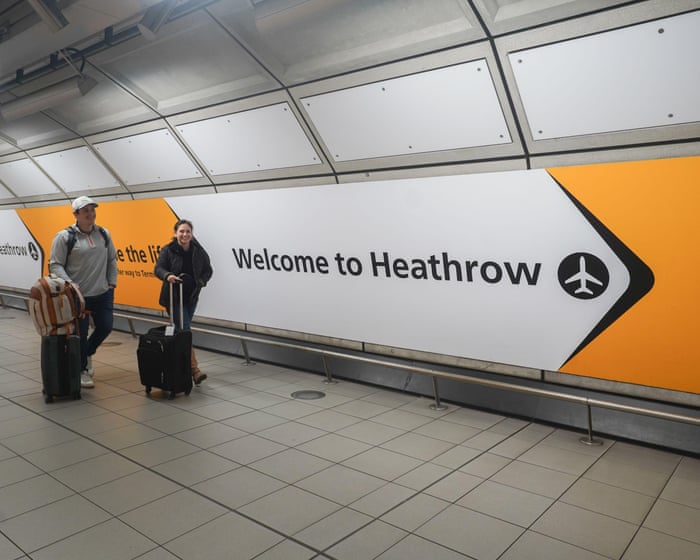
A government report shows that expanding Heathrow Airport with a third runway could cause job losses at other airports and regions in the UK, especially in places like the West Midlands. While Heathrow’s expansion may create jobs there, it might mainly shift jobs from other areas rather than add new ones, raising questions about whether the benefits will be shared across the country.
Key Facts
Expanding Heathrow with a third runway could reduce passenger numbers and jobs at other UK airports, including nearly 10,000 jobs lost in the West Midlands.
Birmingham Airport may lose 7.5 million passengers a year by 2050, leading to around 9,500 fewer jobs locally.
The New Economics Foundation said many jobs created at Heathrow would come from other regions, not new jobs overall.
Government officials claim the expansion will create over 60,000 local jobs and benefit the wider UK economy.
The economic boost from expansion is estimated at up to 0.05% increase in UK GDP per year, which is smaller than hoped.
A review suggests the benefits will mostly go to London and the south-east, not broadly across the UK.
The Department for Transport is consulting MPs for approval to build the third runway.
Heathrow’s chief executive says the economic models used don’t capture all benefits, such as increased trade, and forecasts growth at Birmingham Airport by 2055.
Read the Original
Want the full story? Tap a source to open the original
article.
Electric vehicle (EV) sales in Australia nearly doubled in the first half of 2026 compared to all of 2025, reaching over 103,000 units. Rising fuel prices and government efficiency rules are encouraging more people to buy EVs, which now make up almost a quarter of all new car sales.
Key Facts
Australians bought 103,855 battery electric vehicles from January to June 2026, slightly more than the total sold in 2025.
EVs accounted for 23.4% of new car sales in June 2026, up from 10.3% in June 2025.
Sales of plug-in hybrid vehicles rose to 54,121 in the first half of 2026, exceeding 2025’s total of 53,249.
Fuel prices, especially diesel, have risen significantly due to the Middle East conflict and the end of a government fuel tax cut.
New government rules on vehicle efficiency are supporting the growth of EV sales.
The majority (80%) of EV sales are in small and medium SUV market segments.
Australia’s EV market share is growing but still lags behind European countries like Norway, where EV sales exceed 90%.
Experts say once consumers switch to EVs, they usually do not return to petrol vehicles.
Read the Original
Want the full story? Tap a source to open the original
article.
Shein reported a loss of $99 million in the first quarter due to slower sales after the U.S. removed a duty exemption on small imports. The company faces higher costs and delays partly because of new tariffs and global issues like the Iran war, and it is preparing to launch shares in Hong Kong soon.
Key Facts
Shein lost $99 million in the first quarter of this year, compared to a $395 million profit in the same period last year.
The loss is linked to U.S. President Donald Trump ending a tariff exemption for small packages under $800.
This exemption allowed cheap goods to enter the U.S. without extra taxes, benefiting online shopping sites like Shein.
Shein plans to raise prices in the U.S. to offset some of the tariff costs.
The company also experienced delays and higher costs due to the Iran war affecting some markets.
Shein had 281 million active customers who made over one billion orders in the year ending March 2026.
Shein received approval to list shares on the Hong Kong stock market after failing to list in New York and London.
The U.S. government cited concerns over tariff evasion and illegal drug imports as reasons for ending the tariff exemption.
Read the Original
Want the full story? Tap a source to open the original
article.
The Calgary Stampede is the biggest outdoor rodeo in the world and takes place in Alberta, Canada. Since Alberta has the fourth-largest proven oil reserves globally, the rising oil prices are influencing the event and the local economy.
Key Facts
The Calgary Stampede is the largest outdoor rodeo worldwide.
It is held in Alberta, Canada.
Alberta has the fourth-largest proven oil reserves in the world.
Oil prices have been rising recently.
Higher oil prices affect Alberta's economy.
This economic impact is reflected in the atmosphere of the Calgary Stampede.
Read the Original
Want the full story? Tap a source to open the original
article.