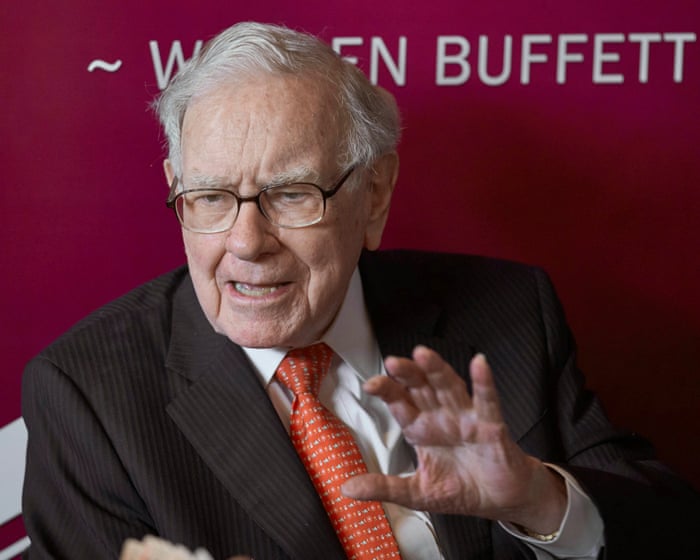
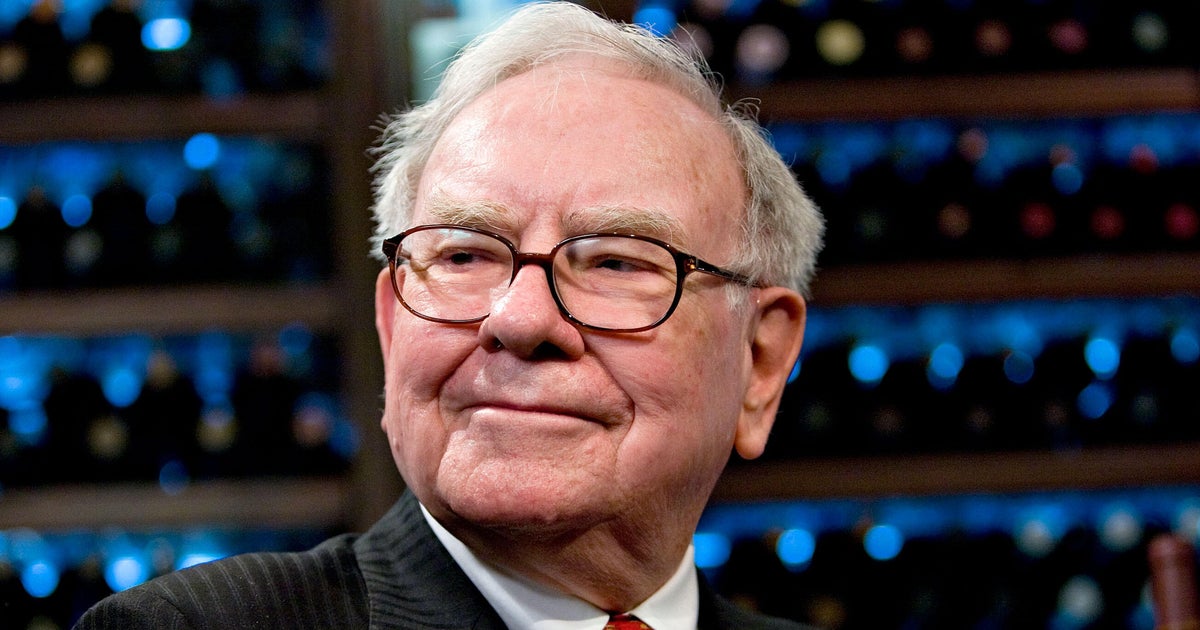
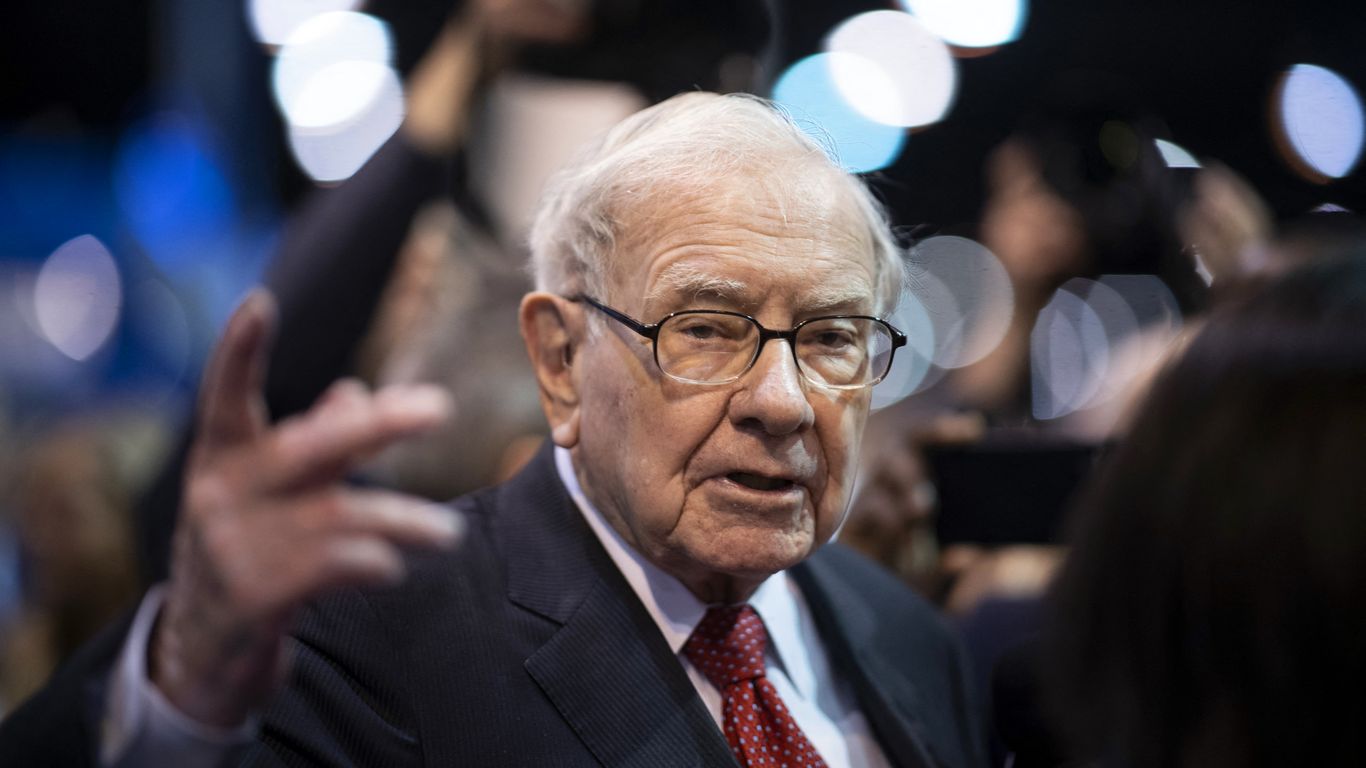
Warren Buffett is stepping down as chair of Berkshire Hathaway after more than 50 years and will become chair emeritus. His son, Howard Buffett, will take over as chair, while Greg Abel remains CEO of the company.
Key Facts
Warren Buffett served as Berkshire Hathaway’s chair from 1970 until now.
He will become chair emeritus immediately, a newly created honorary role.
Howard Buffett, Warren’s son, will become the new chair of Berkshire Hathaway.
Howard Buffett has been on the company’s board since 1993.
Greg Abel became CEO of Berkshire Hathaway earlier this year.
Buffett remains a director and influential investor.
Berkshire Hathaway has nearly doubled the returns of the S&P 500 during Buffett’s leadership.
Warren Buffett’s personal fortune comes mainly from Berkshire Hathaway stock and was valued at over $140 billion in July 2026.
Read the Original
Want the full story? Tap a source to open the original
article.
A new report shows that private jets in the US pollute up to 14 times more per passenger than commercial planes but pay very little tax. The use of private jets has increased a lot, benefiting wealthy owners while contributing significantly to climate pollution.
Key Facts
Private jets produce 10 to 14 times more carbon emissions per passenger than commercial flights.
Private jet flights account for about 16% of flight operations managed by the Federal Aviation Administration (FAA).
Private jets represent 7% of US airspace activity but contribute less than 0.6% of aviation taxes to the Airport and Airway Trust Fund.
The average private jet owner has a median wealth of $190 million.
The number of private jet flights has risen sharply, increasing their climate impact by 50%.
Fractional jet ownership, where people buy parts of jets for flight hours, grew by 6% from 2019 to 2025.
The National Business Aviation Association spent around $2 million lobbying for tax breaks for private jet owners in 2025.
The increase in private jet use is driving demand for more airport infrastructure like hangars and runways.
Read the Original
Want the full story? Tap a source to open the original
article.
Warren Buffett, who has led Berkshire Hathaway for over 60 years, will step down as the company’s chair. He will stay on as chair emeritus, and his son Howard Buffett will take over as chair immediately.
Key Facts
Warren Buffett is 96 years old.
He has been the chair of Berkshire Hathaway for more than 60 years.
Buffett will step down as chair but remain on the board as chair emeritus.
Howard Buffett, Warren’s son, is the new chair of Berkshire Hathaway.
The leadership change takes effect immediately.
Read the Original
Want the full story? Tap a source to open the original
article.
Wheat prices in the US have risen to their highest point in three years, but farmers face challenges like high diesel costs, drought, and unpredictable weather caused by El Niño. At the same time, global wheat supplies are tight due to these weather problems and disruptions in Russian-Black Sea grain exports, making the future uncertain for both farmers and consumers.
Key Facts
Wheat prices are up 39% compared to previous years.
Diesel fuel costs, essential for farming equipment, are at record highs.
Drought and bad weather caused by a strong El Niño are harming wheat crops in the US and other countries.
Black Sea ports, a major route for one-third of global wheat trade, have been attacked, disrupting shipments.
Only 35% to 50% of wheat from the Black Sea might be shipped out through alternative routes, which are slower and more expensive.
Wheat plantings in Australia have dropped by 12% due to dryness and higher fertilizer prices.
US wheat planted area is at its lowest since 1877 because farmers prefer planting corn and soybeans.
The United Nations food price index increased by 2.5% in August compared to last year, reflecting rising global food costs.
Read the Original
Want the full story? Tap a source to open the original
article.
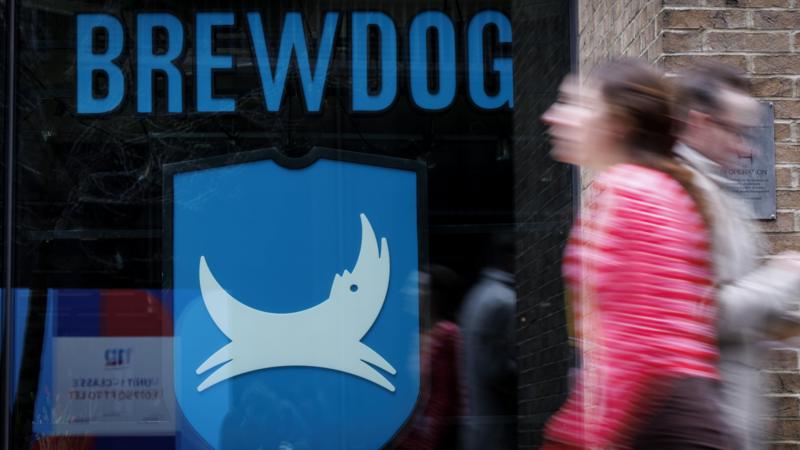
Brewdog, a Scottish beer company, was taken over by US firm Tilray in March after going into debt with more than £500 million owed. Many former workers and creditors will not receive any money because the company does not have enough funds to pay them after the sale. The takeover resulted in the closure of 38 pubs and unpaid bills to many businesses.
Key Facts
Brewdog had over £500 million in debts when it was sold for £33 million to Tilray in March 2024.
Former staff are owed about £489,000 for unpaid wages and holiday pay, but will likely get nothing.
Around £2.4 million is owed to HMRC (the UK tax authority) for unpaid VAT.
After the takeover, 38 Brewdog pubs closed immediately, and 11 bars were kept by Tilray.
Hundreds of businesses including coffee shops, bakers, and councils have unpaid bills totaling £20 million.
Brewdog’s biggest debt was £61 million owed to HSBC bank, which has recovered some money but still faces shortfalls.
About 200,000 crowdfunding investors lost their shares’ value, receiving no return.
The company’s administrators mentioned extra security costs due to unauthorized access to closed pubs.
Read the Original
Want the full story? Tap a source to open the original
article.
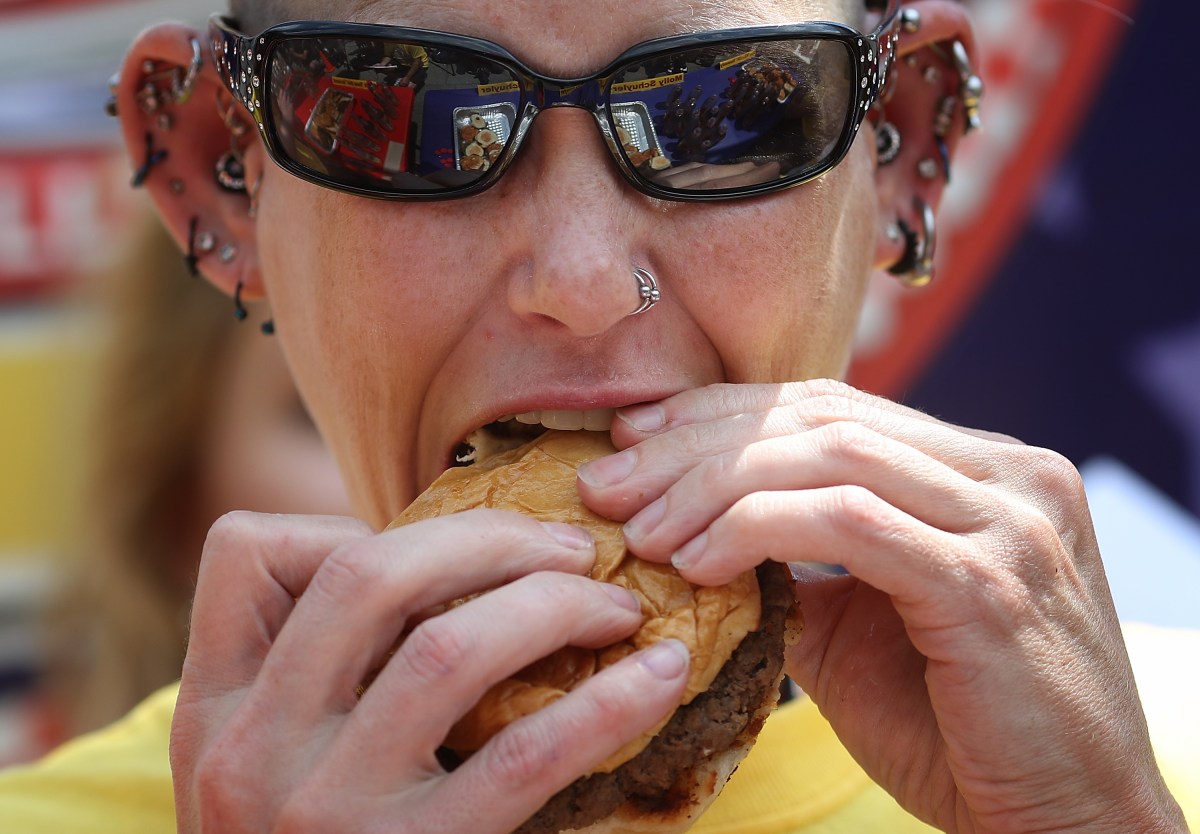
Beef prices in the U.S. have been rising recently because there are fewer cattle available. Bill Mitchell, a conservative commentator, suggested on social media that people try veggie burgers as a way to avoid paying more for beef. This comment received mixed reactions from the public.
Key Facts
Ground beef prices reached $7.16 per pound in August, up 0.6% from July and 7.9% higher than a year ago.
Beef price increases are much higher than the overall inflation rate, which is 3.4%.
The U.S. cattle supply has decreased, causing beef prices to rise.
Bill Mitchell is the host of the YourVoice America podcast and made the suggestion to try veggie burgers on the social media platform X.
Some people thought Mitchell’s comment was joking, while others criticized it for not addressing how to lower beef prices.
Owen Shroyer, a former Infowars host who was jailed related to the January 6 Capitol riot, responded sarcastically to Mitchell’s suggestion.
The topic is ongoing and may receive more updates.
Read the Original
Want the full story? Tap a source to open the original
article.
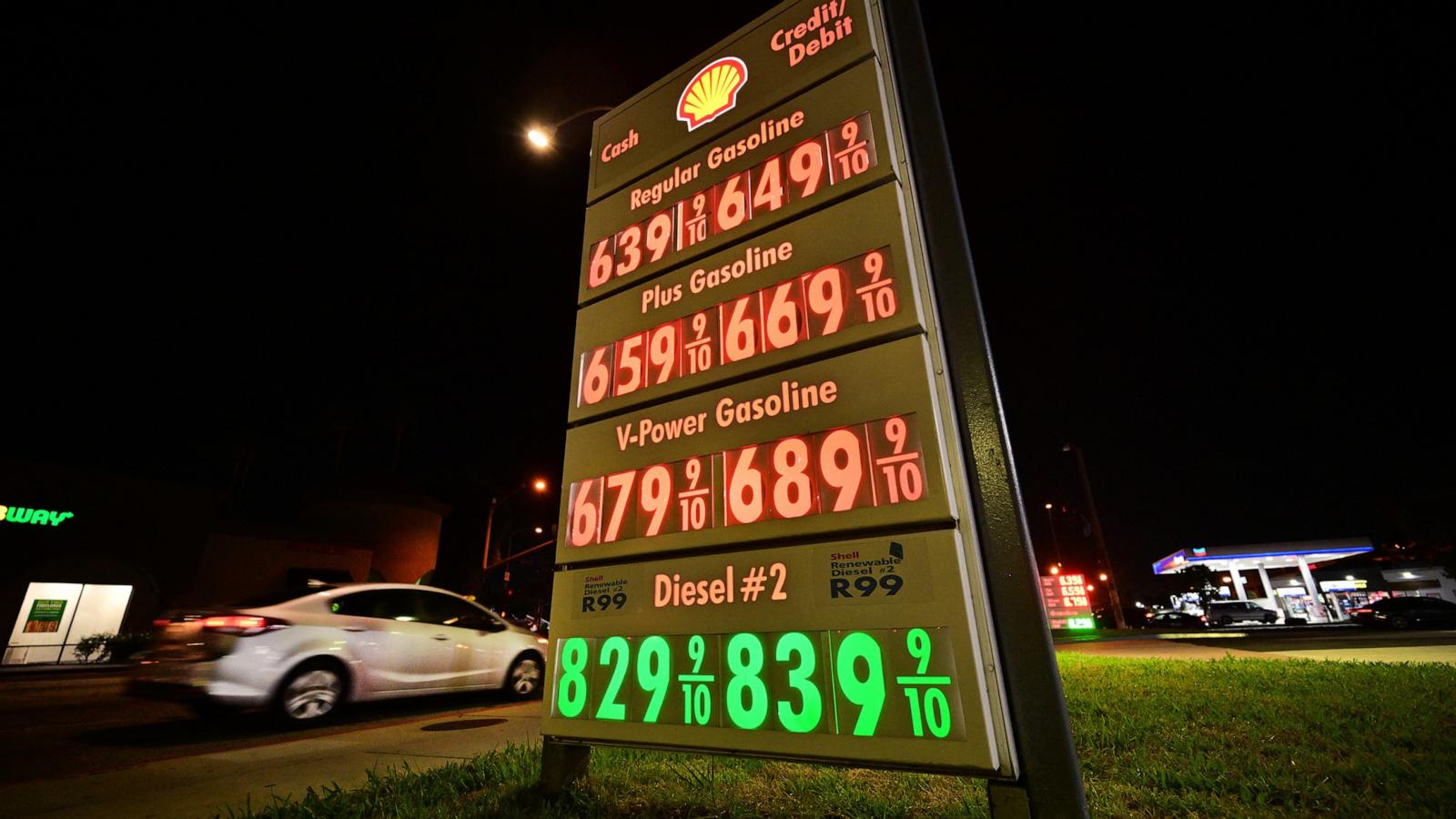
Diesel prices in the United States have reached a new high, with the average price around $6.43 per gallon as of September 18, 2026. This rise is linked to disruptions in the Strait of Hormuz and ongoing conflicts like the Russia-Ukraine war.
Key Facts
The average diesel price reached about $6.43 per gallon on September 18, 2026.
Some gas stations, like one in Los Angeles, showed diesel prices above $8 per gallon.
The price increase is influenced by problems in the Strait of Hormuz, a key oil shipping route.
The Russia-Ukraine war is also contributing to higher fuel prices worldwide.
These disruptions are causing shortages and making diesel more expensive for consumers.
President Donald Trump has commented that global diesel shortages are related to the Ukraine situation and possible negotiations with Iran.
The situation is ongoing, and prices may change as new developments occur.
Read the Original
Want the full story? Tap a source to open the original
article.
Warren Buffett, age 96, announced he will step down as chairman of Berkshire Hathaway but will remain on the board of directors. His son, Howard Buffett, will take over as the new chairman following a longtime succession plan.
Key Facts
Warren Buffett is stepping aside as chairman of Berkshire Hathaway.
He will become chairman emeritus, an honorary title.
Buffett will keep his seat on the company's board of directors.
Howard Buffett, Warren Buffett’s son, will become the new chairman.
The change follows a previously planned succession process.
Warren Buffett expressed confidence in the future of Berkshire Hathaway.
Buffett thanked shareholders and said he looks forward to staying invested in the company.
Read the Original
Want the full story? Tap a source to open the original
article.
Warren Buffett will leave his role as chairman of Berkshire Hathaway, less than a year after he stopped being the CEO. His son, Howard Buffett, will become the new chairman of the company.
Key Facts
Warren Buffett is currently 96 years old.
He previously served as both CEO and chairman of Berkshire Hathaway.
Buffett stepped down as CEO less than a year ago.
Now, he will also step down as chairman.
Howard Buffett, Warren's son, will take over as chairman.
Berkshire Hathaway is a large company involved in industries like insurance and railroads.
The company is transitioning leadership to the next generation.
Read the Original
Want the full story? Tap a source to open the original
article.
J.P. Morgan analysts say it is now difficult to predict how the Iran conflict will impact oil markets. Though oil prices have not surged as much as expected, the ongoing disruption in Middle East oil supplies and high energy costs are causing challenges worldwide, including in business deals.
Key Facts
J.P. Morgan admits there is no clear way to predict the end of the oil market impact from the Iran conflict.
Early economic limits, like oil hitting $100 per barrel or gasoline near $5 a gallon, have been passed without a clear plan to resolve the situation.
Oil passing through the Strait of Hormuz, a key shipping route, has been unstable and is likely to remain so for months.
Lower oil demand has helped reduce pressure on supply and slowed the drop in oil stockpiles worldwide.
Despite stable inventories, high energy costs are causing problems and unrest in many countries.
The uncertainty and price swings are affecting oil company mergers and acquisitions, making deals harder to complete.
The global market for oil-related deals is worth about $137 billion but volatile prices complicate negotiations.
Deal makers are using more flexible agreements to manage risks from oil price changes.
Read the Original
Want the full story? Tap a source to open the original
article.
The stock market in 2026 has grown strongly, partly because of big investments in artificial intelligence (AI). However, warnings from AI leaders and possible new rules could slow down AI growth, which might affect the market in the future.
Key Facts
The stock market indexes like Dow Jones, S&P 500, and Nasdaq have increased by 8%, 11%, and 13% respectively this year.
AI is a major factor in U.S. economic growth, contributing about one-third of GDP growth in 2026.
Companies like Nvidia and Advanced Micro Devices, which make AI-related chips, have seen big stock price increases.
Despite the excitement, 95% of companies investing in AI have not made money from it, spending around $40 billion.
AI company leaders have issued warnings about the risks AI poses, leading to talks about government regulation.
Some politicians propose measures like a "kill switch" to control AI if it becomes dangerous.
President Donald Trump has called fears about AI risks a "hoax."
Rising interest rates increase borrowing costs, which might slow down investment in AI projects.
Read the Original
Want the full story? Tap a source to open the original
article.
Young people from Generation Z and millennials are moving away from expensive coastal cities to more affordable places in the South, according to Redfin’s analysis. Millennials are choosing cities where they can buy bigger homes for less money, while Gen Z is moving to cities with good job opportunities and active social scenes.
Key Facts
Millennials (ages 30-45) are moving to cities like Houston, Las Vegas, and Atlanta for affordable larger homes.
Older Gen Zers (in their 20s) are moving to cities such as San Antonio, Austin, Nashville, and Washington, D.C. for career opportunities.
San Antonio is the top city for Gen Z moves, followed by Washington, D.C., Austin, Nashville, and Dallas.
These popular cities offer more entry-level jobs, which have decreased nationwide by about 35% since early 2023.
The unemployment rate for recent graduates is 5.7%, higher than the overall national rate of 4.1%.
Fewer young adults are moving now compared to 2014, with the share of 19-24 year-olds leaving their metro dropping from 15.3% to 13.5%.
Gen Z values locations with job opportunities and affordable living costs over paying more for certain places.
Healthcare and cybersecurity are important industries in San Antonio, one of the top chosen cities.
Read the Original
Want the full story? Tap a source to open the original
article.
Ed Sheeran and Guitar Center launched a contest called "Open for Legends" to find a new musician to open for Sheeran on his Loop Tour. After some contest entries included pro-Palestinian videos with messages like "Free Palestine," those videos were removed to keep the competition focused on music talent.
Key Facts
The "Open for Legends" contest offers one act the chance to open for Ed Sheeran in Mexico City in December 2026.
Entrants must be at least 18 years old, hold a valid U.S. passport, and submit an original song with a video audition.
Some submitted entries included pro-Palestinian messages, which were later deleted from the contest site.
The competition organizers said they removed entries not related to the program’s purpose of promoting musicians.
The contest started the same day it was announced that Macklemore was removed from Sheeran’s tour for his pro-Palestinian speech.
Following Macklemore’s removal, several band members and supporting artists also quit the tour, citing political reasons.
The competition’s deadline was extended from October 7, a date of significant conflict between Hamas and Israel, to October 21.
The contest and tour disruptions have drawn attention due to the intersection of music, politics, and venue owner objections.
Read the Original
Want the full story? Tap a source to open the original
article.
Retail sales in Great Britain rose by 0.5% in August, surprising analysts who expected a decline. This growth was driven by warm weather, back-to-school shopping, and promotions, helping boost consumer spending despite rising prices for fuel and energy.
Key Facts
Retail sales increased 0.5% month-to-month in August, after falling 0.5% in July.
Sales rose 2.4% compared to the same summer period last year, above the expected 1.9% growth.
Warm weather boosted sales of fans, air-conditioning, sports items, and clothing.
Online shopping sales grew by 1.7% in August and 5.4% during the summer period.
Department stores bounced back with a 1.8% sales increase after July’s drop caused by stock shortages.
Alcohol and beverage sales rose, helped by promotions, the hot weather, and the men’s football World Cup.
Fuel sales declined by 1.7% in August, as higher fuel prices led motorists to reduce non-essential travel.
Inflation rose to 3.1% in August; the Bank of England kept interest rates steady but may raise them due to rising energy costs linked to Middle East conflicts.
Read the Original
Want the full story? Tap a source to open the original
article.
Warwick Levy, owner of the Sydney-based T-shirt label Lonely Kids Club, found thousands of copies of his designs being sold on the Chinese online marketplace Temu. He faced problems reporting the copied items and eventually succeeded in having many listings removed by using his trademark rights. The case highlights challenges small businesses face with copyright theft and the legal and technical issues around AI tools scraping creative content online.
Key Facts
Warwick Levy runs Lonely Kids Club, a Sydney T-shirt business, and discovered many identical copies of his designs on Temu.
Thousands of copied T-shirts appeared on Temu between 2025 and early 2024.
Levy believes the copies were made using AI tools that scraped his website’s content, including product photos and descriptions.
Reporting copyright theft to Temu was difficult due to faulty complaint systems and poor response to emails.
Levy succeeded in getting most copies removed through trademark claims related to his brand name, rather than copyright claims.
Temu states it prohibits sellers from listing products that infringe intellectual property and removes listings after complaints through its IP Protection Portal.
The Albanese government is considering allowing AI companies legal access to Australian online content to help train AI, raising concerns for creators.
Levy is worried government support for AI scraping could worsen problems for small artists and businesses like his.
Read the Original
Want the full story? Tap a source to open the original
article.
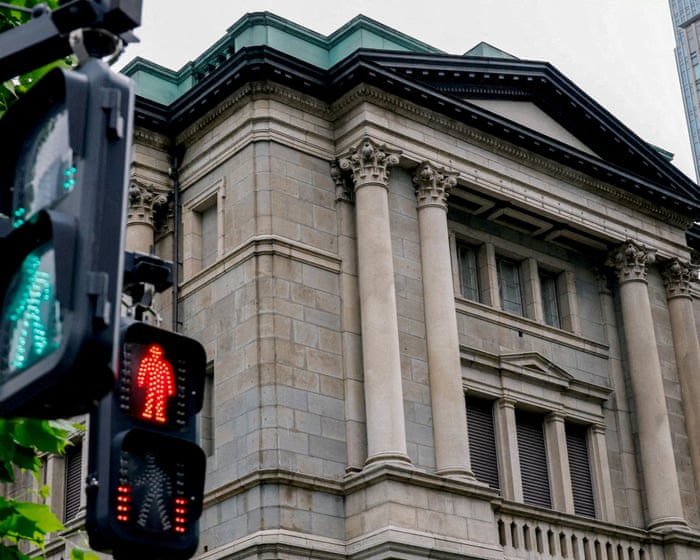
Japan’s central bank raised interest rates from 1% to 1.25%, the highest since 1995, to fight inflation related to the war in Iran. This move joins similar rate hikes by other major central banks like the US Federal Reserve and European Central Bank.
Key Facts
The Bank of Japan (BoJ) increased its target interest rate to 1.25%, a 31-year high.
This is part of efforts to control rising prices caused by global inflation linked to the conflict in the Middle East.
Other central banks, including the US Federal Reserve and European Central Bank, have also raised rates this month.
Two BoJ board members disagreed with the decision to raise rates.
The Japanese yen weakened about 0.7% against the US dollar following the announcement.
The Nikkei stock market rose nearly 2% after the rate hike news.
BoJ plans cautious future rate increases, possibly another hike in December.
Brent crude oil prices fell by up to 1.5% amid hopes for alternative oil supply routes from the Middle East.
Read the Original
Want the full story? Tap a source to open the original
article.
A group of MPs has told the government to reject a £10 billion takeover plan by Thames Water’s creditors. The MPs suggest putting Thames Water into special administration, which is like temporary government control, to fix its financial and service problems.
Key Facts
Thames Water owes about £20 billion and serves 16 million customers in London and the Thames Valley.
The water company has struggled financially for several years and faces high fines for poor service and pollution.
A cross-party committee recommends rejecting a £10 billion takeover by creditors who hold £17 billion of the company’s debt.
The MPs want the government to use special administration to manage Thames Water temporarily.
The creditors’ takeover plan was criticized for prioritizing quick financial gains over long-term improvements.
Thames Water and its creditors say they are working to improve the company and secure investment.
Special administration could allow the government to clean up the company and possibly sell it later once performance improves.
Laws may need to change so the government can act if a water company’s performance is poor, not just for financial failure.
Read the Original
Want the full story? Tap a source to open the original
article.
A group of MPs wants the government to stop talks with US hedge funds that control Thames Water and consider taking public control of the company. Thames Water has £20 billion in debt and is managed by around 100 hedge funds, leading to concerns about rising bills, pollution, and poor service.
Key Facts
Thames Water is controlled by a consortium of about 100 hedge funds and distressed-debt investors.
The company has debts totaling £20 billion.
MPs want the government to consider emergency laws to take control and stabilize Thames Water.
The current law does not allow special public control (Special Administration Regime) based solely on performance issues.
The hedge funds seek to renegotiate debts and get relief from environmental fines while continuing negotiations.
MPs say the hedge funds lack the expertise to properly manage Thames Water’s public services.
Thames Water’s 16 million customers face rising bills, water pollution, and service problems.
The government is urged to explore options like special administration or new laws to restore the company and prepare it for new buyers.
Some leading creditors include US hedge funds like Elliott Investment Management, Silver Point Capital, BlackRock, and M&G.
Read the Original
Want the full story? Tap a source to open the original
article.
The Bank of Japan raised its interest rate by 0.25% to 1.25%, the highest level in 31 years. This decision aims to control rising inflation and wages. The rate hike comes as Japan faces inflation above its 2% target and pressure from rising U.S. interest rates.
Key Facts
The Bank of Japan increased interest rates to 1.25%, up 0.25% from before.
This is the highest interest rate in Japan in 31 years.
Inflation in Japan is above the target of 2%, driven by higher energy prices and supply issues.
Rising wages in Japan are also pushing inflation higher.
Japan’s borrowing costs are moving closer to what the BoJ considers a neutral level for the economy.
The U.S. Federal Reserve recently raised its rates, putting pressure on Japan to follow.
A large gap between U.S. and Japanese rates could weaken the Japanese yen.
The European Central Bank’s rate is higher than Japan’s, currently at 2.5%.
Read the Original
Want the full story? Tap a source to open the original
article.
Tillamook, a large US cheese company, introduced halal labels on some of its products. This led to a boycott campaign by critics who oppose the halal certification. Some critics used harsh language against the company online.
Key Facts
Tillamook is a major cheese producer based in Oregon, USA.
The company added halal labels to some of its cheese products, meaning the cheese meets Islamic dietary rules.
Halal certification allows Muslim consumers to know the food is prepared according to their religious guidelines.
Some critics reacted strongly and started a boycott against Tillamook for this change.
The boycott includes negative comments and false accusations such as calling the cheese "Al Qaeda cheese."
The criticism spread widely on social media platforms.
Tillamook has not publicly responded to the boycott in the article.
Read the Original
Want the full story? Tap a source to open the original
article.