Over 30 countries jointly spoke out against Iran's frequent use of the death penalty. They criticized Iran for carrying out many executions, expressing concern about human rights.
Key Facts
More than 30 nations signed a statement condemning Iran's use of the death penalty.
The statement called attention to the high number of executions in Iran.
The countries involved want Iran to stop using the death penalty excessively.
Iranian political dissident Masih Alinejad, who lives outside Iran, shared her views on the issue.
The joint statement highlights global concern about human rights in Iran.
Read the Original
Want the full story? Tap a source to open the original
article.
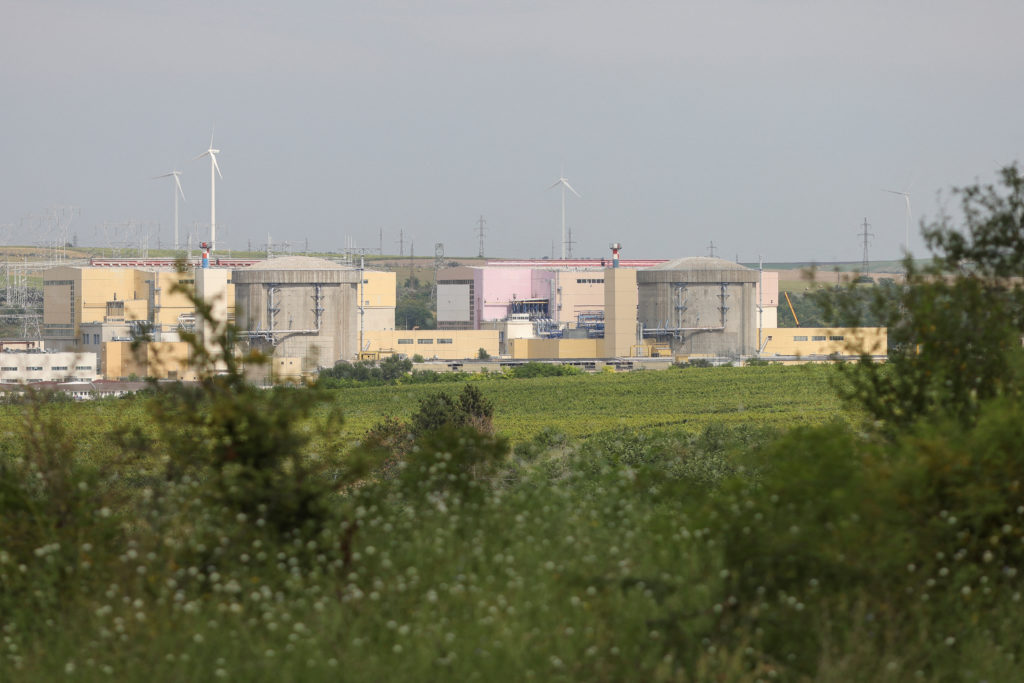
Romania has started shutting down the second reactor at its Cernavoda nuclear power plant because the Danube River’s water level has dropped too low due to drought. The plant uses river water to keep its reactors cool, and the first reactor was already shut down in July for the same reason. Officials say electricity needs will be met through other sources while the plant is offline.
Key Facts
The Cernavoda plant provides about 20% of Romania’s electricity when both reactors are running.
Both reactors need river water from the Danube to cool down and operate safely.
The first reactor was shut down in late July because of low river water levels caused by drought.
The second reactor began a controlled shutdown on August 3, 2026, due to continuing low water levels.
Romania tried to raise water levels by sinking barges and using explosions to redirect water flow without success.
The shutdowns do not pose any nuclear safety risks to people or the environment.
Hungary is also taking steps to raise the Danube’s water level to keep its Paks nuclear plant running.
Romania’s Ministry of Energy says alternative electricity sources and imports will cover the country’s power needs during the shutdown.
Read the Original
Want the full story? Tap a source to open the original
article.
On August 13, 2026, parts of Africa experienced a partial solar eclipse. In Tunisia, the Sun was covered about 59% by the Moon, while in Senegal, the coverage reached around 37%.
Key Facts
The solar eclipse occurred on August 13, 2026.
It was visible as a partial eclipse in several African countries.
In Tabarka, Tunisia, 59.06% of the Sun was covered by the Moon.
In Dakar and other parts of Senegal, the eclipse obscured up to 37% of the Sun.
People used special glasses to safely watch the eclipse.
The event attracted attention across Africa as a notable celestial phenomenon.
The eclipse did not completely cover the Sun in these locations, so it was not a total eclipse.
Read the Original
Want the full story? Tap a source to open the original
article.
The UK has recorded its hottest day of 2026 with a temperature of 38.1°C at Kew Gardens, London, making it the fifth hottest day ever. The heatwave has caused droughts, water shortages, health risks, and wildfires across much of England and Wales.
Key Facts
The highest temperature this year in the UK was 38.1°C at Kew Gardens, London.
This is the UK’s fifth hottest day on record and part of the fifth heatwave of 2026.
An amber heat health alert is active across England until 9 pm on Friday due to risks to health and social care.
Around 45 million people in England live in drought conditions, with over 27 million facing water use restrictions like hosepipe bans.
Thousands of homes in east London and Essex have water supply problems after pipe bursts caused outages.
England’s emergency departments experienced their busiest summer ever, with over 2,800 heat-related deaths in May and June.
More than 1,000 wildfires have been reported in England and Wales this year, matching last year’s record.
A large wildfire in Hampshire involved about 130 firefighters tackling an area the size of 230 football pitches.
Read the Original
Want the full story? Tap a source to open the original
article.
Russia and Ukraine have attacked each other's grain shipment locations, causing damage and fires. These attacks raise worries that the prices of food around the world could increase.
Key Facts
Russia attacked Ukraine’s largest grain port on the Danube River overnight.
The attack caused damage and started a fire at the port.
A day earlier, Ukraine struck Novorossiysk, a major Russian grain hub on the Black Sea.
Both sides are targeting important places where grain is stored and shipped.
These attacks may disrupt grain exports and affect global food prices.
Grain is a key food product used worldwide, so damage to ports can have wide impacts.
The conflict between Russia and Ukraine continues affecting various sectors, including food supply.
Read the Original
Want the full story? Tap a source to open the original
article.
A ferry capsized on Lake Kariba in Zimbabwe on August 11, 2026, killing at least 46 people. Many families gathered for a memorial service as rescue efforts continue, with dozens still missing after the ferry, which was overloaded, sank.
Key Facts
The ferry accident happened on Lake Kariba, Zimbabwe, on August 11, 2026.
At least 46 people have died, and many others are still missing.
The ferry was overloaded, carrying possibly up to 153 passengers while its capacity is 90.
About 77 people were rescued after the ferry sank.
The ferry was traveling from Kariba town to rural and fishing villages that rely on it for transport.
Some families lost several members, including a man who lost his wife and three children.
Survivors said they asked the ferry captain to turn back due to strong waves, but the request was ignored.
Zimbabwe’s president said the tragedy showed serious problems with the country’s maritime safety.
Read the Original
Want the full story? Tap a source to open the original
article.
A passenger train in southern England derailed and flipped onto its side near Lewes train station. Emergency workers, including paramedics and fire crews, arrived at the scene, and there were no reports of injuries so far.
Key Facts
The train derailed and at least two cars ended up on their sides.
The incident happened near Lewes train station in southern England.
Fire and rescue services and other emergency responders were called to the scene.
Photos shared on social media showed emergency workers on top of the flipped train.
Transport Secretary Heidi Alexander expressed concern and thanked emergency responders.
No injuries have been reported immediately after the accident.
Read the Original
Want the full story? Tap a source to open the original
article.
Poland stopped a Russian plan to kill a Ukrainian-American citizen in Warsaw, according to Polish Prime Minister Donald Tusk. This is the first time in decades that a Western leader has publicly said Russia tried to kill a U.S. citizen in another NATO country.
Key Facts
The suspect, allegedly recruited by Russian secret services, was arrested on August 7 in Poland.
The targeted person was a U.S. citizen of Ukrainian origin, considered a problem by the Putin regime.
This incident marks the first public claim of Russia plotting to kill an American citizen in a NATO country.
The operation to stop the plot involved cooperation between Polish and U.S. intelligence services.
Russia has been accused of targeting opponents abroad, including activists and supporters of Ukraine.
Russian actions include previous attacks such as the killing of Alexander Litvinenko in London (2006) and the poisoning of Sergei Skripal in Salisbury (2018).
Western officials believe these attacks are part of Russia's efforts to weaken countries that support Ukraine.
Other recent plots against critics of Putin have been disrupted in countries like France, Lithuania, and Germany.
Read the Original
Want the full story? Tap a source to open the original
article.
Air India will start testing all its pilots for banned substances right away after a recent flight lost altitude and the senior pilot had a positive marijuana test. The airline wants to improve safety beyond current rules that only require random tests for some pilots.
Key Facts
Air India will test every pilot for banned substances immediately.
The decision follows a flight on August 4 that dropped 300 feet shortly after takeoff, injuring 17 people.
The senior pilot on that flight had to retake a drug test and reportedly tested positive for marijuana.
Air India Express pilots will also start drug testing from Thursday.
Current rules require random testing of at least 10% of pilots only.
Both pilots from the incident flight are suspended during the investigation.
Indian authorities, Airbus, and France's air safety agency are investigating the incident.
Air India recently had a major crash in June 2025 killing 260 people, increasing attention on its safety.
Read the Original
Want the full story? Tap a source to open the original
article.
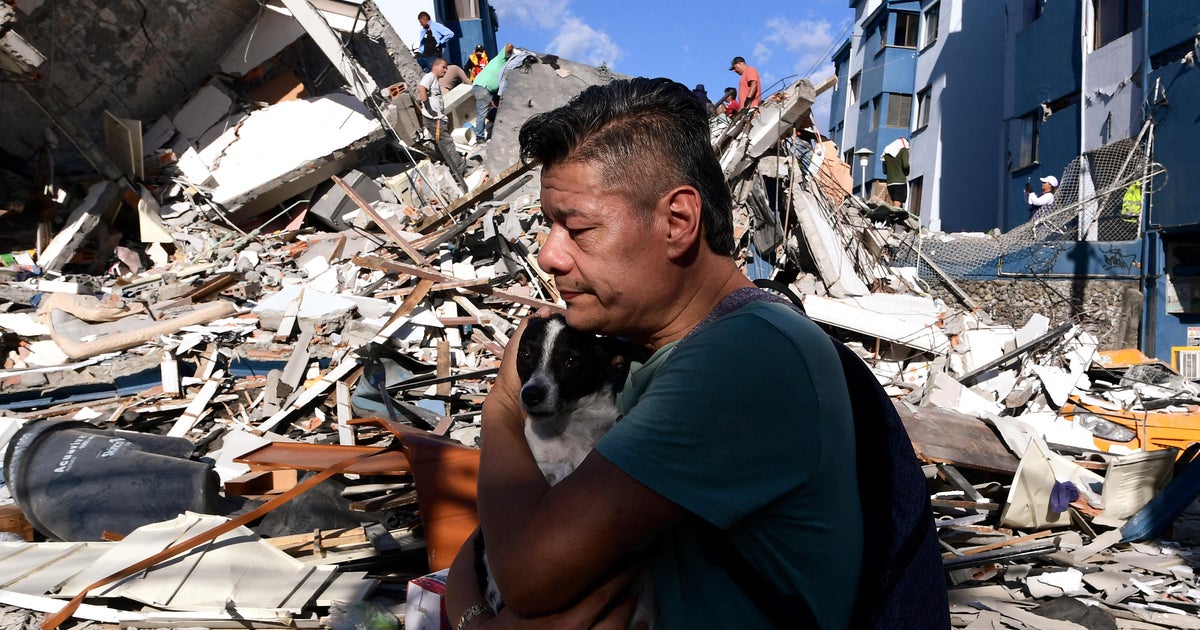
Rescuers in Colombia worked to find survivors after an earthquake but faced a critical 72-hour period for successful rescues that was ending. Efforts to save people trapped under debris became more urgent as time ran out.
Key Facts
An earthquake struck Colombia, causing damage and placing people under rubble.
Rescue teams searched for survivors soon after the quake.
There is a 72-hour window after earthquakes during which trapped victims have the best chance of being saved.
This survival window was closing on the day of rescue efforts.
The situation was reported by journalist Rosa Perez.
The article highlights the urgency and difficulty of earthquake rescue operations.
No specific numbers of survivors or casualties are mentioned in the article.
Read the Original
Want the full story? Tap a source to open the original
article.
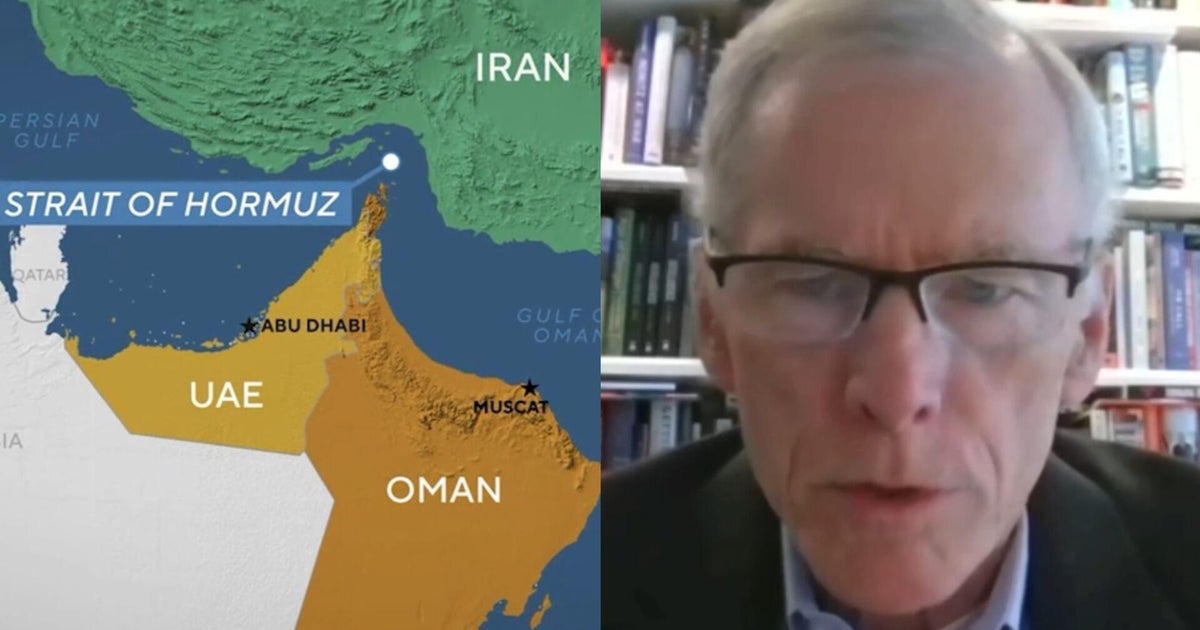
An expert says that Iran uses low-cost weapons to keep a threat over the Strait of Hormuz, a strategic waterway. This ongoing tension connects to the wider conflict involving Iran. Additionally, U.S. Democrats are seeking information about the situation on the USS Abraham Lincoln, which is stationed abroad.
Key Facts
Iran possesses inexpensive weapons that help it maintain pressure in the Strait of Hormuz area.
The Strait of Hormuz is an important waterway for global shipping and oil transport.
The threat from Iran’s weapons adds to existing tensions linked to the war with Iran.
Robert Murrett, a retired U.S. Navy vice admiral, provided analysis on this situation.
U.S. Democrats are requesting answers about the conditions on the USS Abraham Lincoln, a U.S. Navy ship deployed overseas.
The situation involves the U.S. military and international concerns over security in the region.
Read the Original
Want the full story? Tap a source to open the original
article.
A severe drought across much of Europe is damaging crops like potatoes, corn, and grapes despite farmers' efforts to cope. This drought could reduce the European Union’s economy by about 1 percent in 2026, costing roughly €180 billion.
Key Facts
The drought affects countries from the Netherlands to Bosnia and Italy.
Farmers face heatwaves and water shortages that harm crop growth.
In parts of the Netherlands, water restrictions prevent irrigation.
Potato crops used for French fries are smaller and harvested early this year.
Corn yields in Bosnia are expected to drop sharply from 6-7 to 1.5-2 tonnes per hectare.
Drought has caused some plants, like clover in Bosnia, to disappear entirely.
Even Czech beer production faces losses due to poor hops harvest.
The drought’s combined effects of heat and dry air make farming more difficult despite adaptation efforts.
Read the Original
Want the full story? Tap a source to open the original
article.
A powerful 7.4-magnitude earthquake struck western Colombia recently, killing at least 265 people and damaging many buildings. Experts who have helped in previous earthquakes say recovery will take years, with a need for careful planning to support displaced people and rebuild homes.
Key Facts
The earthquake hit Colombia’s coffee region near the city of Pereira.
At least 265 people died, and hundreds were trapped under rubble.
Jahir Rodríguez, an experienced urban planner, has helped after past earthquakes in Colombia and Chile.
He says people often remain displaced for years after such disasters, living in temporary camps or shelters.
Colombia’s new government is setting up camps for displaced people but long-term housing is needed.
People are reluctant to leave damaged homes due to fears like vandalism.
Everardo Murillo created a recovery plan after Colombia’s 1999 earthquake and assists other countries in disaster recovery.
Recovery includes immediate help with food, shelter, and money, followed by long-term rebuilding and social support.
Read the Original
Want the full story? Tap a source to open the original
article.
China and Indonesia held joint naval exercises in waters east of Taiwan, an area close to the island. Taiwan is worried that China is trying to make its military presence in the region normal and take control of important sea routes.
Key Facts
China and Indonesia conducted naval drills together near Taiwan.
The exercises took place in waters east of Taiwan.
Taiwan's government expressed concern about these drills.
Taiwan fears China wants to increase its military control around the island.
Control over key shipping lanes in the area is a major concern for Taiwan.
Chinese state media shared video footage of the joint exercises.
The drills show closer military cooperation between China and Indonesia.
Read the Original
Want the full story? Tap a source to open the original
article.
A record number of UK 18-year-olds have been accepted into university in 2026, with the biggest increase at the most selective universities, such as those in the Russell Group. These universities say they remain highly selective, even if they show some flexibility in admissions, while university leaders say taking more students helps keep courses running and staff employed.
Key Facts
University acceptances for 18-year-olds in the UK reached a record high in 2026.
Higher-tariff (most selective) universities increased student acceptances by 5.5% compared to last year.
Medium-tariff universities saw a 3.8% increase in acceptances, while lower-tariff universities experienced a 1.7% drop.
Selective universities say they maintain standards and only admit students who can succeed.
Universities are admitting more students partly to keep less popular courses open and avoid job cuts.
There has been a significant drop in international postgraduate students who pay higher fees.
The University of Manchester received over 100,000 applications in 2026, a 13% increase.
Some students received university offers despite missing their original grade targets, thanks to admissions flexibility.
Read the Original
Want the full story? Tap a source to open the original
article.
Russia’s economy has lasted longer than many expected despite Western sanctions, but now it is starting to slow down. The war in Ukraine and other pressures are hurting the economy, though Russia still has large financial reserves and gained money from higher energy prices due to the conflict involving Iran. The US is trying to reduce Russia’s energy income by proposing high tariffs on buyers.
Key Facts
Russia’s economy has resisted Western sanctions for over four years during the Ukraine war.
Economic growth is expected to slow to its weakest level since 2022.
Russia’s government budget deficit is increasing.
Ukrainian military strikes are affecting more parts of Russia’s economy.
Russia has over $300 billion in accessible financial reserves.
The conflict between the US and Israel against Iran has raised energy prices, increasing Russia’s income.
The US Senate supports tariffs up to 100% on countries buying Russian energy to reduce Russia’s revenue.
These developments show growing economic pressure on Russia despite some short-term gains.
Read the Original
Want the full story? Tap a source to open the original
article.
New research shows women who go through menopause early and face social or economic problems have greater health risks. The study found that factors like unemployment and financial hardship can worsen outcomes such as heart disease and dementia.
Key Facts
Early menopause happens before age 45; premature menopause is before 40.
About 2 million women in the U.S. experience early or premature menopause each year.
The study analyzed nearly 20,000 women and their social conditions over about 11 years.
Social disadvantages like unemployment, low income, and less education link to worse health after early menopause.
Unemployment was the strongest factor linked to higher death rates and dementia diagnoses.
Social challenges increase risks for cardiovascular disease but were not tied to cancer risk in this study.
Researchers recommend doctors consider social and economic factors when treating women with early menopause.
Experts say early menopause care should include support addressing women's life circumstances, not just medical treatment.
Read the Original
Want the full story? Tap a source to open the original
article.
Two large clinical studies have found that the arthritis drug upadacitinib helps about half of people with severe alopecia areata regrow most of their scalp hair within 24 weeks. The drug works by blocking immune system signals that attack hair follicles, improving hair growth and quality of life for many patients.
Key Facts
Upadacitinib is an oral drug already approved to treat rheumatoid arthritis.
The drug was tested in nearly 1,400 people aged 12 to 64 with severe alopecia areata.
Participants took either 15 mg, 30 mg, or a placebo once daily for 24 weeks.
About 45% of those on 15 mg and 54-55% on 30 mg regained at least 80% scalp hair, versus 1-3% on placebo.
Upadacitinib is a JAK inhibitor that blocks immune pathways involved in hair loss.
The studies also showed improvements in eyebrow and eyelash hair growth.
Common side effects included respiratory infections, acne, and elevated enzyme levels.
Serious side effects were rare but occurred slightly more often in treated groups than placebo.
Doctors emphasize the need for long-term safety data and monitoring during treatment.
Read the Original
Want the full story? Tap a source to open the original
article.
An explosion happened at an ammunition factory near Rome on Thursday. No one was reported injured, and emergency workers responded to the fire that caused the blast.
Key Facts
The explosion occurred at an ammunition plant in Colleferro, near Rome.
The factory was formerly known as Simmel Difesa and is now owned by KNDS Ammo Italy.
The facility makes ammunition and other defense products.
The blast followed a fire at the plant’s powder-pressing section.
Local authorities confirmed there were no injuries.
Emergency responders, including firefighters and police, were on-site during the fire.
Residents nearby heard the explosion.
The regional president said the priority was safety and supporting emergency teams.
Read the Original
Want the full story? Tap a source to open the original
article.
Researchers in Sweden found that a blood-thinning drug called NOAC, used for irregular heartbeat, may slow memory and thinking decline in people with both atrial fibrillation and Alzheimer's disease. The study showed that patients on NOACs had slower cognitive decline and fewer risks like stroke or death compared to those on warfarin or no treatment.
Key Facts
The study was done by Karolinska Institutet in Sweden and published in the European Heart Journal.
It included 7,308 patients diagnosed with both atrial fibrillation (irregular heartbeat) and Alzheimer's disease.
Patients were divided into three groups: those taking NOACs (newer blood thinners), warfarin (older blood thinner), or no blood thinners.
Those on NOACs experienced a slower decline in cognitive ability, measured by a memory and thinking test called MMSE.
NOAC patients also had lower rates of death, stroke, blood clots, and fractures than patients without blood thinners.
Warfarin lowered some risks but caused more major bleeding compared to NOACs.
The study was observational, so it cannot prove NOACs directly cause slower decline, and other factors may have influenced results.
Researchers recommend more studies to confirm these findings.
Read the Original
Want the full story? Tap a source to open the original
article.